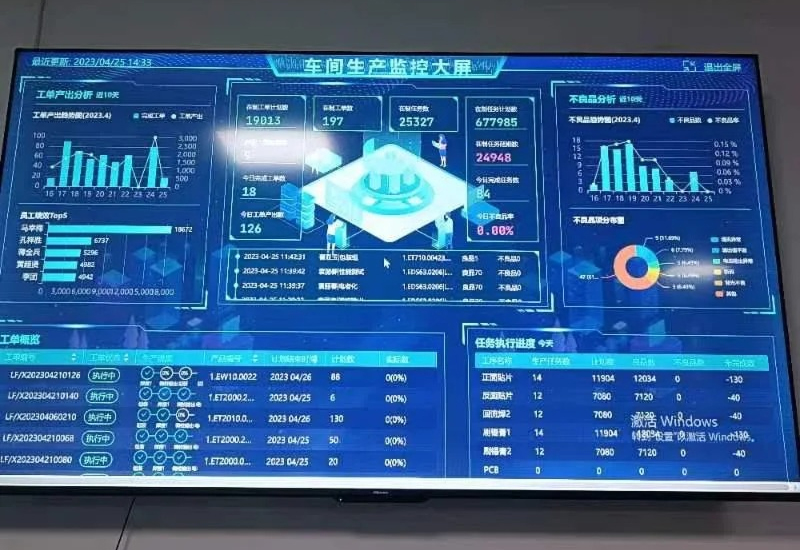
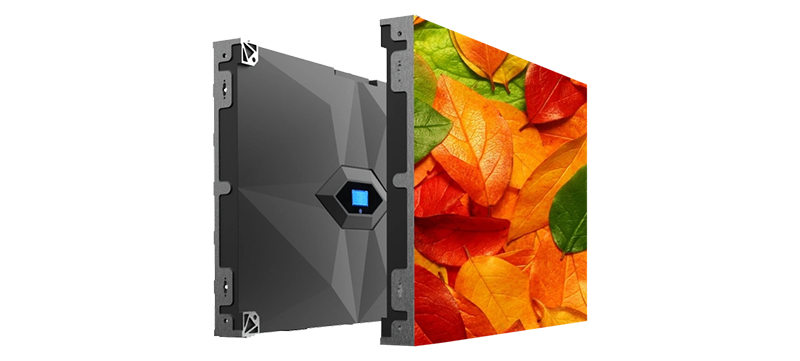
The traditional LED display industry is facing development bottlenecks and the market is nearly saturated. Fortunately, the market demand for small-pitch LED displays is booming, making them the main revenue source for many LED display manufacturers.
The industry is also transforming and upgrading from extensive development to refined development. So what are the top ten development trends of small-pitch LED displays in the future? What is the dot pitch of LED screens? How to customize LED products? The pace of industrial transformation and upgrading is accelerating. Although the growth rate of the LED display industry has slowed down and the traditional LED display market is nearly saturated, the booming small-pitch LED display market has formed a three-legged structure with DLP and LCD. If LED display manufacturers want to break through this situation, they must seek new growth points.
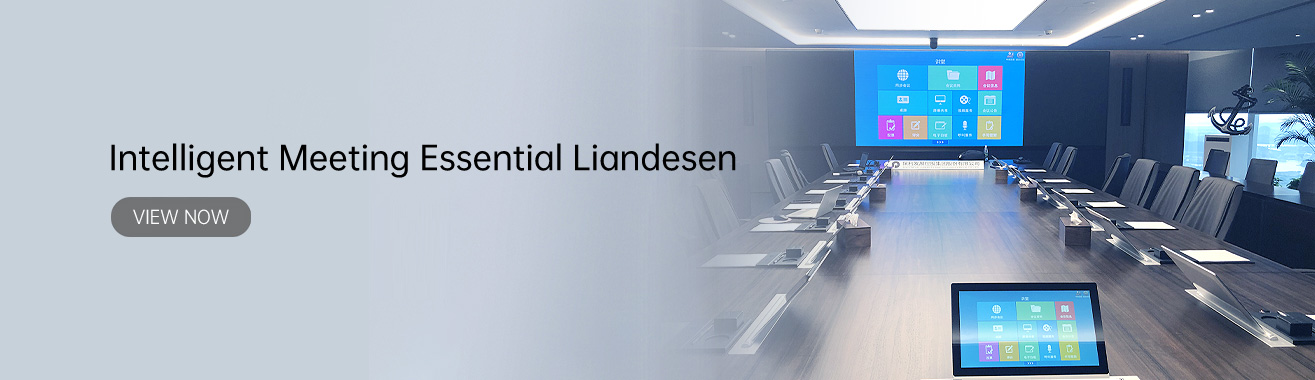
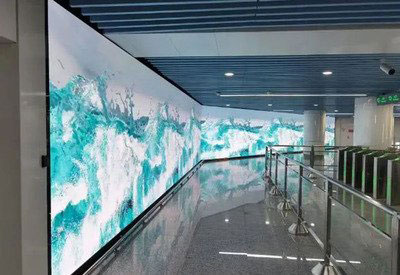
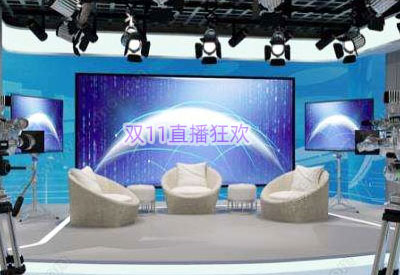
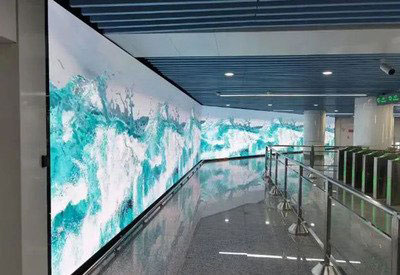
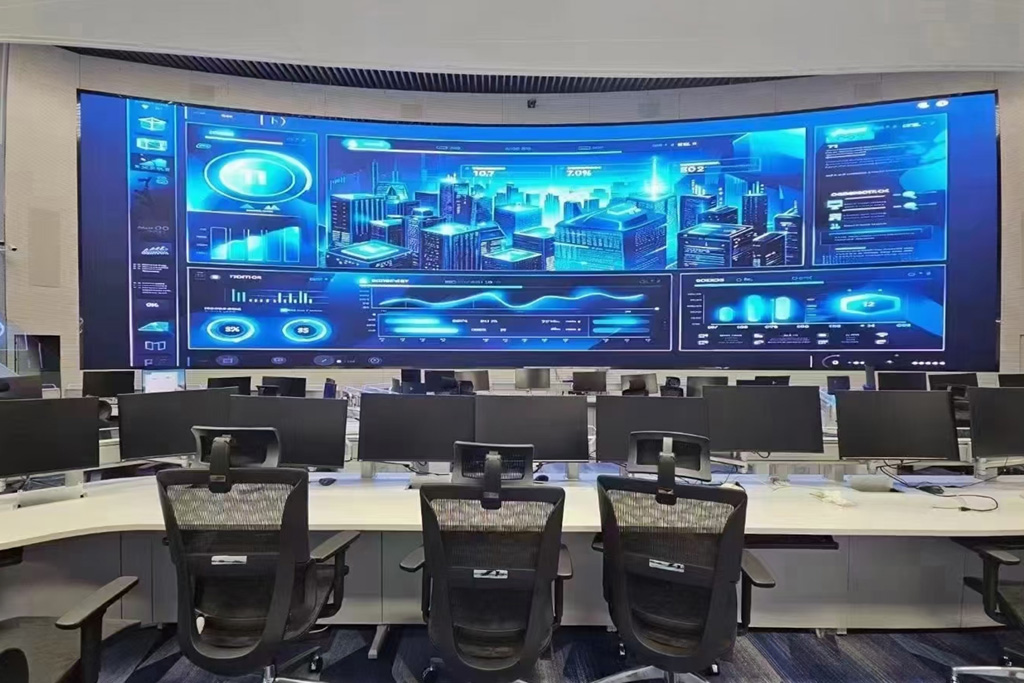
These include segmented fields such as conference rooms, cinemas, night tourism markets, public transportation, command and dispatch centers, monitoring centers, and security. In addition, upgraded COB and MiniLED technologies have entered mass production, and they outperform traditional SMD packaging in display performance, stability, contrast ratio, clarity, dead pixel rate, and cold solder joint rate.
These technological breakthroughs are conducive to the development of the small-pitch LED display industry. Furthermore, driven by the Belt and Road Initiative and international sports events, demand in overseas markets will continue to rise, and LED display enterprises should seize this opportunity.
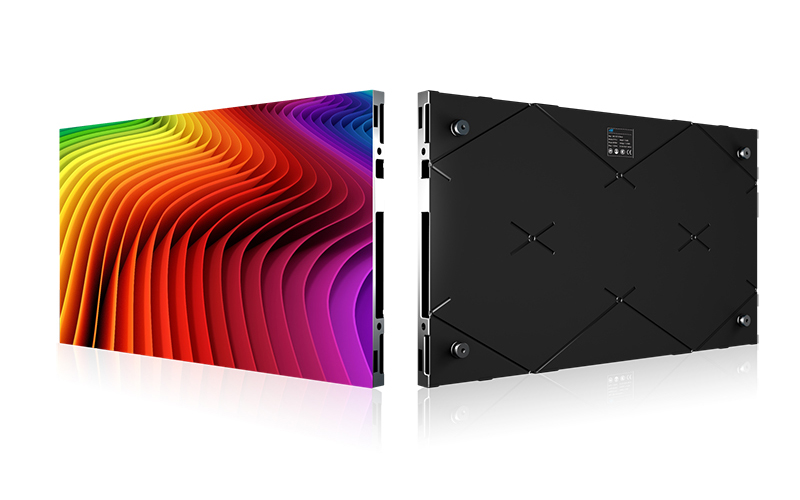
New business opportunities for small-pitch LED displays As new technologies such as artificial intelligence (AI) become increasingly mature, the next three years will be a critical period for the outbreak of the AI industry. Application scenarios include intelligent transportation, monitoring displays, command and dispatch centers, smart factories, smart schools, smart healthcare, and high-end commercial displays.
Small-pitch LED displays integrated with AI technology can present massive data, promoting the intelligent development of the transportation industry. They also help merchants collect and analyze big data to deliver more accurate and effective advertising content to consumers. Technology is the foundation of products Earlier, due to varying technical requirements in the LED display industry, many enterprises with uneven technical levels emerged. As consumers become more rational, enterprises offering low prices, poor quality, and weak services are gradually phased out.
In recent years, the problem of product homogeneity in the industry has become increasingly serious. Coupled with accelerated industry reshuffling, brand concentration has been rising, and this trend has become more obvious. Therefore, for LED display manufacturers to achieve development, they must rely on technology, identify their market positioning, increase R&D investment, maintain technological leadership, and support corporate growth.
Small and medium-sized brands can improve products according to user pain points to seek new living space. Second-tier brands can find their foothold by positioning themselves in segmented markets, business models, and channel capabilities. MiniLED and MicroLED have become new growth points for small-pitch displays The traditional SMD and COB packaging technologies for small-pitch LED displays are limited to quantitative innovation rather than qualitative changes.
However, MiniLED and MicroLED technologies can achieve qualitative breakthroughs. Some industry insiders even predict that these two technologies can cover both large and small-size applications.
At present, China’s small-pitch LED displays lead the world in both technology and market, with some technical fields even ahead of international competitors. Coupled with the rapid growth of the small-pitch LED display market in recent years, some enterprises hope to achieve leapfrog development through MiniLED and MicroLED.
Therefore, although domestic LED display manufacturers currently enjoy advantages in small-pitch LEDs, they must guard against the risk of being overtaken. Meanwhile, they should strengthen R&D and continuously innovate small-pitch technologies, pursuing qualitative rather than merely quantitative improvements. Patent protection Affected by a U.S. investigation, several domestic enterprises were accused of infringing U.S. patents.
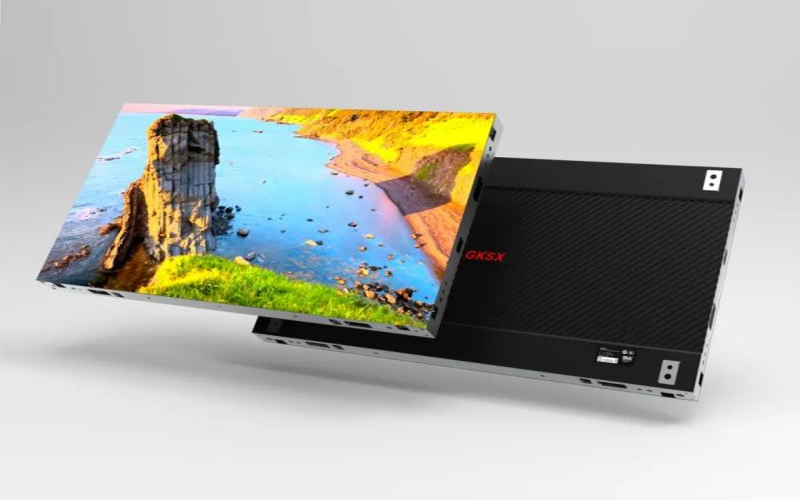
In fact, this is not the first time domestic LED display companies have faced unfair treatment. Influenced by unilateral trade protectionism in some countries, many of China’s high-tech enterprises, including those in the small-pitch LED display sector, have been targeted.
Fortunately, in recent years, Chinese LED display enterprises have attached increasing importance to intellectual property and patent protection. Before exporting display products overseas, they conduct extensive patent searches to prevent patent disputes.
However, this incident also reminds Chinese LED display manufacturers to build a more complete patent protection system, which requires not only corporate efforts but also support from the industry and the government. They should continuously increase the proportion of independent R&D in key technologies, master the dominance of core technologies, and avoid similar incidents that hinder corporate development. Price watershed for small-pitch LED screens With the development of small-pitch LED displays, prices of traditional LED displays have declined, and so have prices of larger small-pitch products. In certain years, specific P-series small-pitch LED displays served as price watersheds for high-end products. These watersheds are attributed to the rapid expansion of small-pitch LED production capacity and a roughly balanced supply and demand. Technological progress and scale expansion have also reduced manufacturers’ costs, leading to lower prices for products above a certain P value. Products below that P value feature relatively high technical difficulty and thus higher prices, which are unlikely to drop significantly in the short term. Therefore, a smaller P value is expected to replace the previous one as the mainstream in the market.
Products with extremely small pitches mainly adopt COB packaging due to the high difficulty of SMD packaging. However, as MiniLED technology enters mass production, prices of small-pitch products will decline in the future.
Smart cities drive the development of small-pitch displays With the rise of smart cities, market demand for small-pitch LED displays has surged. According to Digitimes Research, hundreds of cities worldwide are developing into smart cities, indicating growing demand for related display products and solutions year by year.
It is estimated that smart cities will generate a market worth trillions of dollars, and the growth of artificial intelligence will further boost the display industry. The smart city market in Asia alone will reach billions of U.S. dollars. Driven by smart cities, high technologies such as big data, cloud computing, Internet Plus, IoT, and artificial intelligence all rely on display applications. As a key display terminal for smart city implementation, small-pitch LED displays enjoy broad prospects. In recent years, small-pitch products have achieved remarkable results in transportation, energy, emergency command, and other fields.
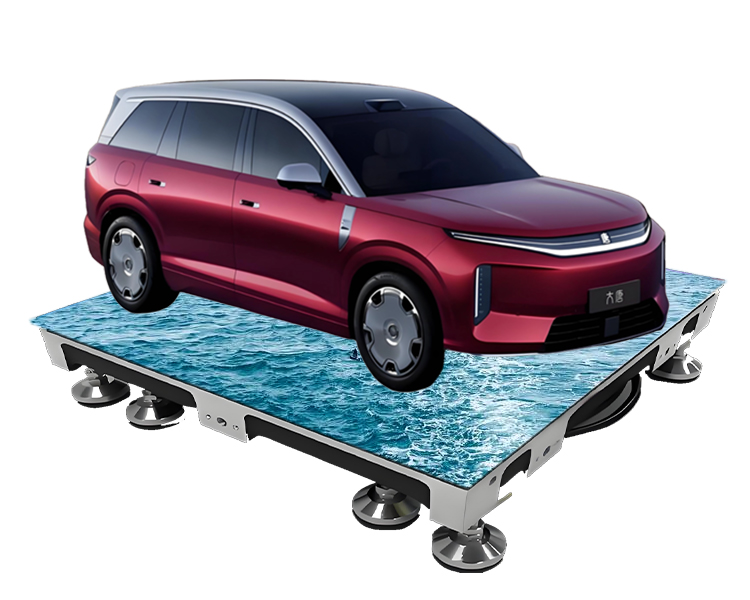
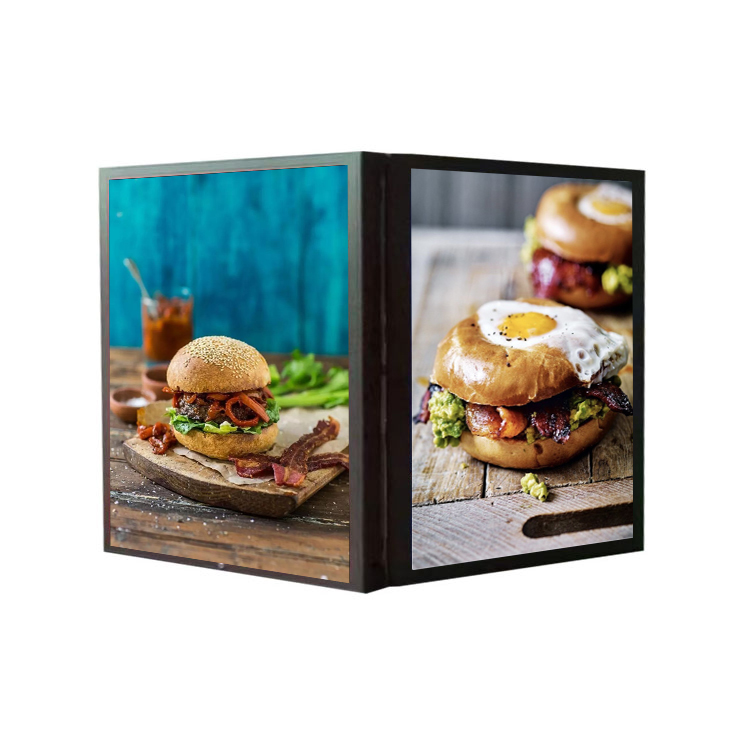
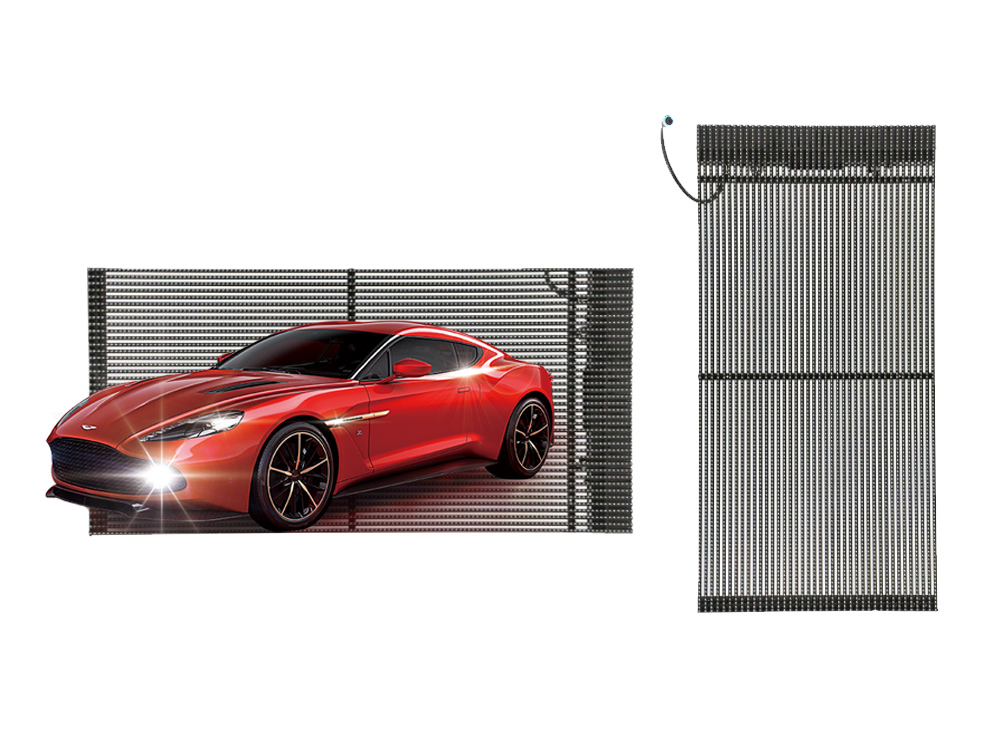
Booming innovation in small-pitch LED screens Innovation is the source of enterprise development, and applied innovation is a long-term driving force for market growth. Examples include visual innovations such as the stunning LED ice screens at a major sports event, which amazed the world and quickly gained popularity.
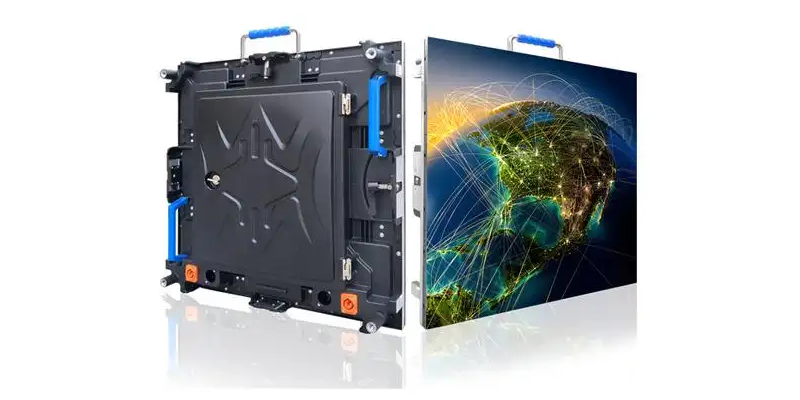
Wearable LED advertising clothing and various application solutions have also provided many new revenue streams for LED display enterprises. In fact, the surge in application-side innovations in recent years reflects increasingly fierce industry competition. Faced with product homogeneity, building competitive barriers through innovation has become a common strategy for many manufacturers.
Amid intensifying competition and slowing industry growth, applied innovation will remain a key theme for the industry. Engineering screens benefit The development of engineering screens depends on the scale of the data economy. New information technologies represented by AI are diversifying, expanding, and complicating data sources. Data visualization is the core strength of the large engineering display industry, so engineering large screens represented by small-pitch LED displays will benefit from new data demands.
In recent years, the large-screen industry has actively promoted the concept of "visualization," illustrating the relationship between new information technologies and engineering large screens. Engineering large screens will gain sustained growth momentum from the increasing volume of data, data processing demands, and data visualization needs. In fact, IoT, AI, and 5G all belong to the "data economy."
Multiple international authoritative institutions have predicted that big data will strongly drive economic growth and GDP. In China, this will represent a huge market worth trillions of yuan, with promising prospects for the data economy. Empowered by VR/AR technology In recent years, VR (Virtual Reality) and AR (Augmented Reality) technologies have been increasingly integrated with small-pitch LED screens, leading to rapid popularization in e-sports, industrial manufacturing, military exercises, and other fields.
Notably, this combination is also expected to excel in the education sector. VR will be promoted in higher education, vocational education, and experimental courses such as physics, chemistry, biology, and geography. Virtual classrooms and laboratories will be built, and new teaching methods including virtual lesson preparation, virtual teaching, and virtual examinations will be developed to support learner-centered personalized learning and transform teaching and learning models. Virtual training bases will be established to enrich training content, improve professional skills, and meet the demand for technical personnel in various fields.
The development of VR educational resources will be promoted for large-scale demonstration applications, integrating popular science, training, teaching, and scientific research.
Compared with traditional displays, small-pitch LED displays have advantages in brightness, color, size, and seamless splicing, enabling realistic VR scenes for viewing and collaborative interaction.
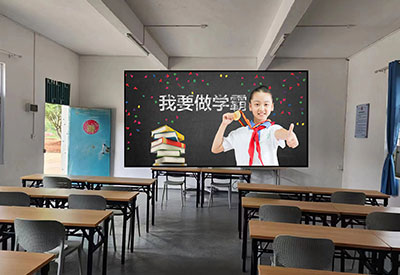
The integration of virtual technologies enables LED screens to interact actively with audiences, delivering an immersive experience. For example, Lianjian Optoelectronics has combined a PH-series small-pitch LED screen with VR technology to create a "smart classroom" featuring 4K resolution and oversized screens, further enhancing the VR experience.
With the accelerated development of educational informatization, the advancement and improvement of VR/AR display technologies, and strong policy support, it is believed that more cases of small-pitch LED + VR/AR will be implemented in the education sector. Thank you for watching.

Free Installation
Training

365-Day Whole
Machine Warranty

After-Sales
Service Network

Wechat official account


 CN
CN