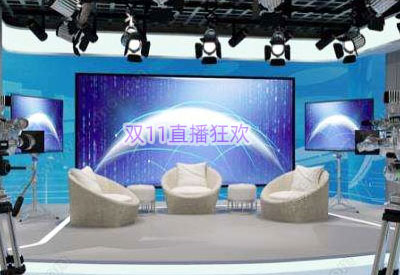
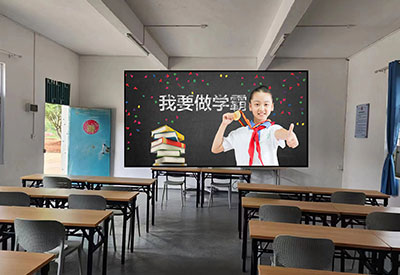
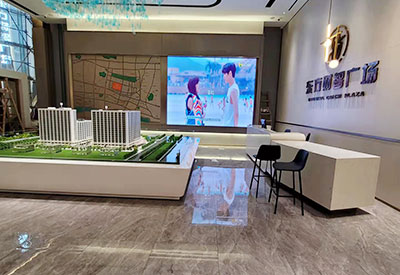
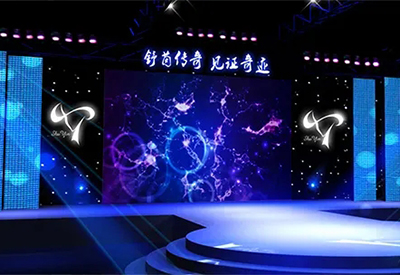
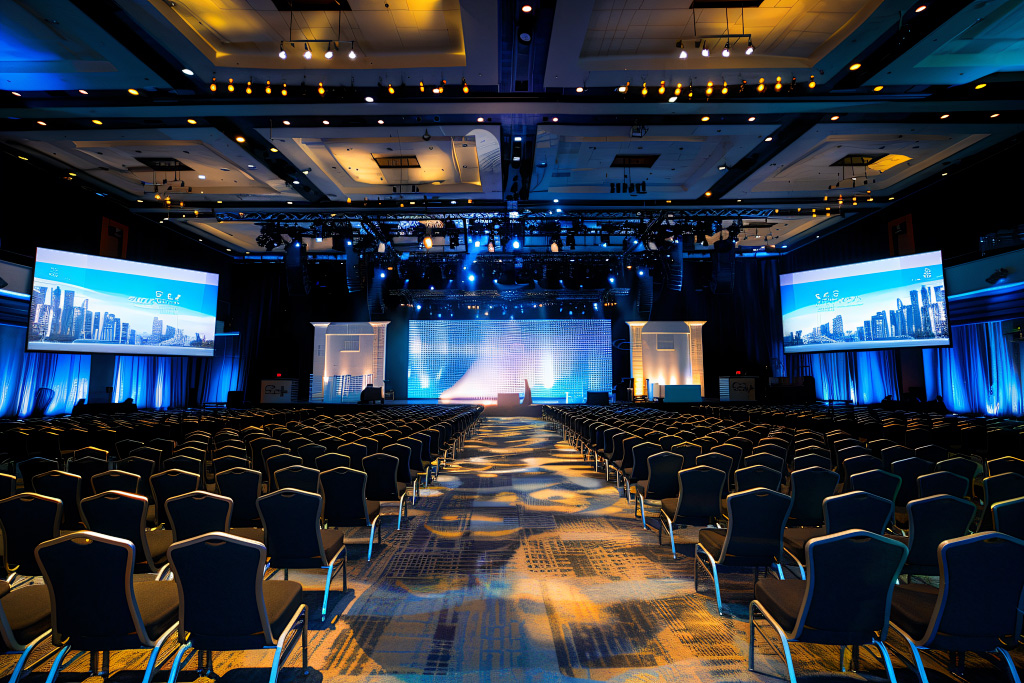
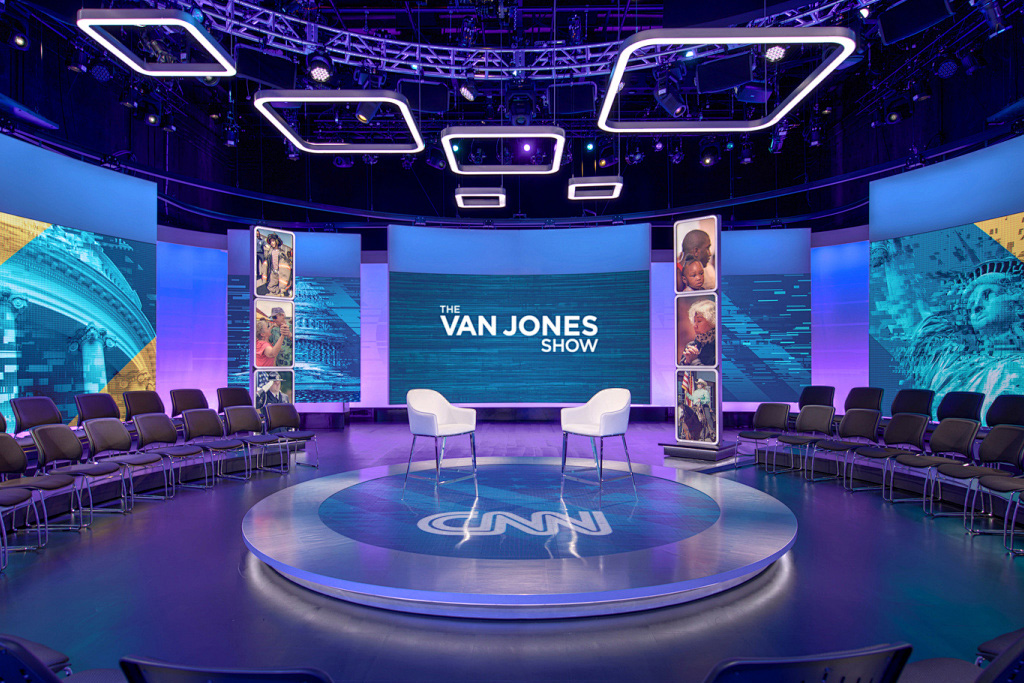
In recent years, fine-pitch LED display screens have been increasingly adopted in studios for large-scale events.
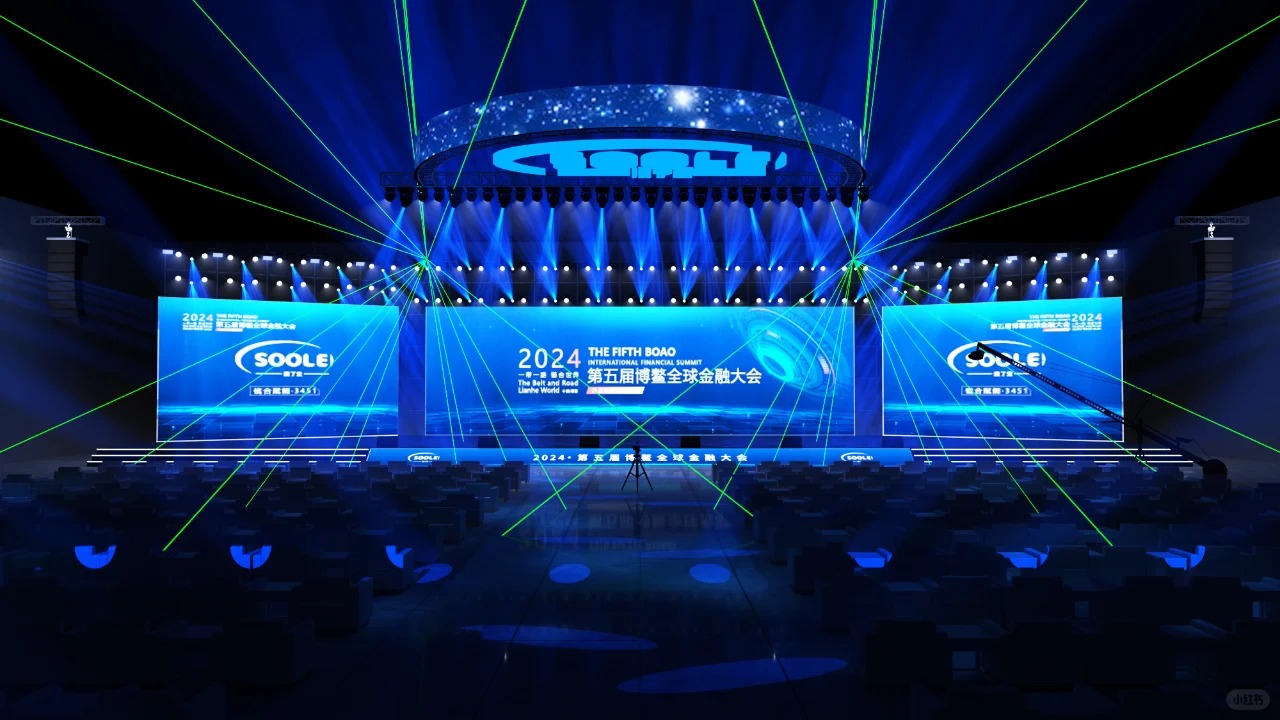
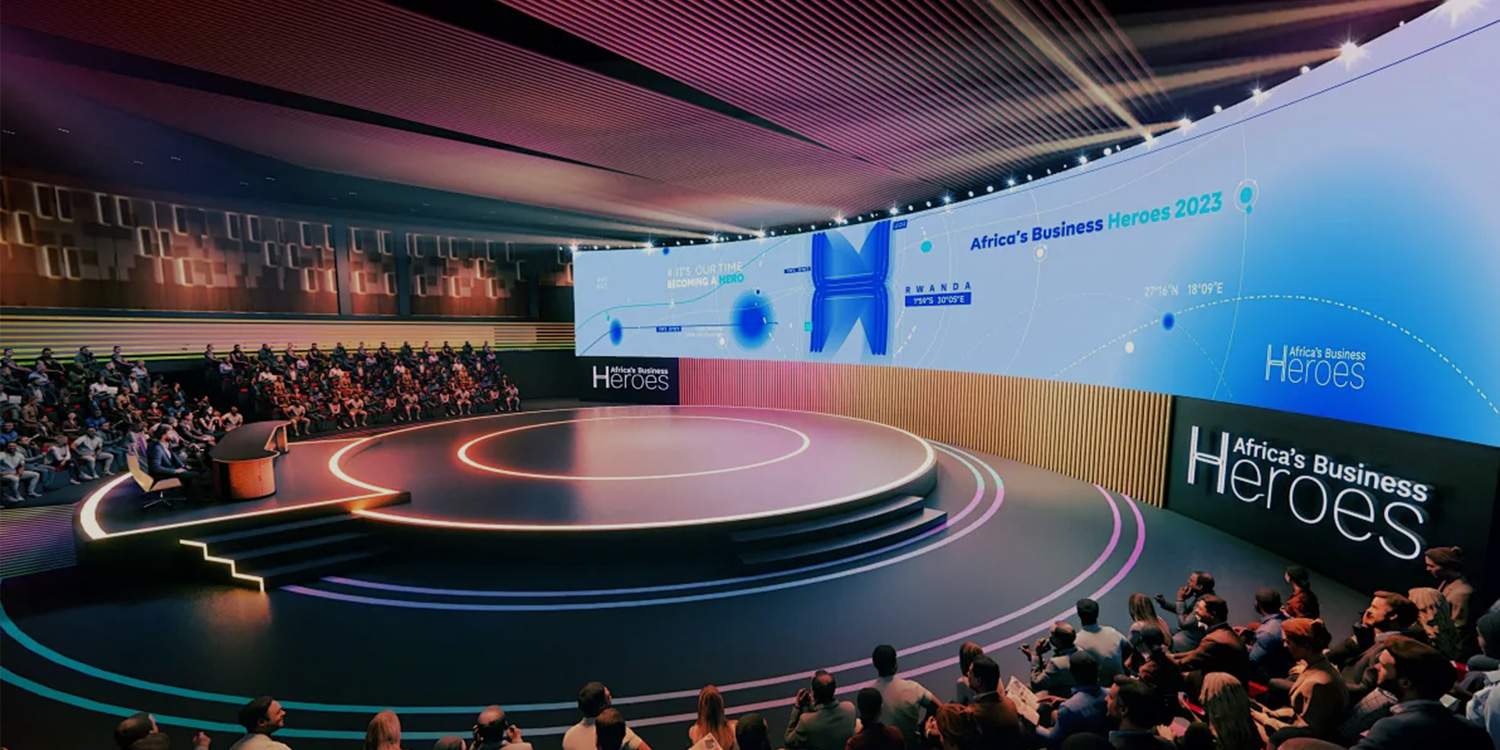
Serving as event backdrops, LED displays integrate stage performances with background visuals via vivid, dazzling imagery and diverse interactive functions.
They effectively boost program ratings and broadcast quality, winning high praise from audiences. Nevertheless, LED displays of different brands and pixel pitches deliver vastly inconsistent visual performance under studio shooting environments.
Some produce vibrant, ultra-high-definition pictures, while others suffer blurry visuals and unstable brightness fluctuations.
Accordingly, multiple factors must be taken into account when purchasing studio LED displays, with the following three aspects standing out as critical priorities:
- Practical operational issues of studio LED displays
- Precise control over on-camera presentation
- Correlation between shooting distance, LED pixel pitch and fill factor
The optimal shooting distance varies in accordance with a display’s pixel pitch and fill factor.
Generally speaking, an appropriate distance between cameras and the screen enables superior background framing during filming.
Images captured by cameras require complete, sharp details and accurate color reproduction. Technologies featuring low brightness and high grayscale are adopted to enrich picture depth and vividness.
Smaller pixel pitch: As a rule, a smaller pixel pitch means more pixels per unit area, higher resolution and superior display performance. Presently, many studio LED panels still feature relatively large pixel pitches; a finer pitch yields better overall visuals.
Adjustable color temperature: When LED screens act as studio backdrops, their color temperature must match that of studio lighting to ensure precise color rendition on camera.
Studio lighting alternates between low-K warm-toned lamps and high-K cool-toned fixtures based on program requirements. Displays with tunable color temperature can be calibrated to match ambient lighting for optimal shooting outcomes.
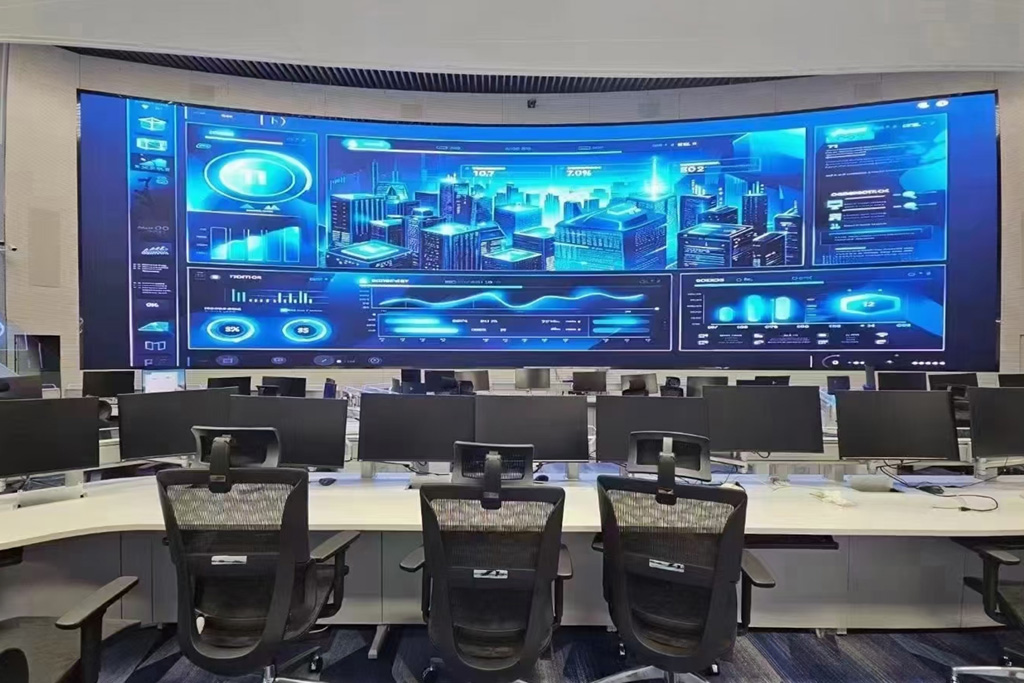
Fine-pitch LED displays feature seamless splicing, outstanding color performance and low power consumption, well-suited to stringent image quality standards for high-end indoor studio applications. Driven by ongoing technological advancements, fine-pitch LED technology will mature progressively to maximize the display advantages within studio settings.








 CN
CN