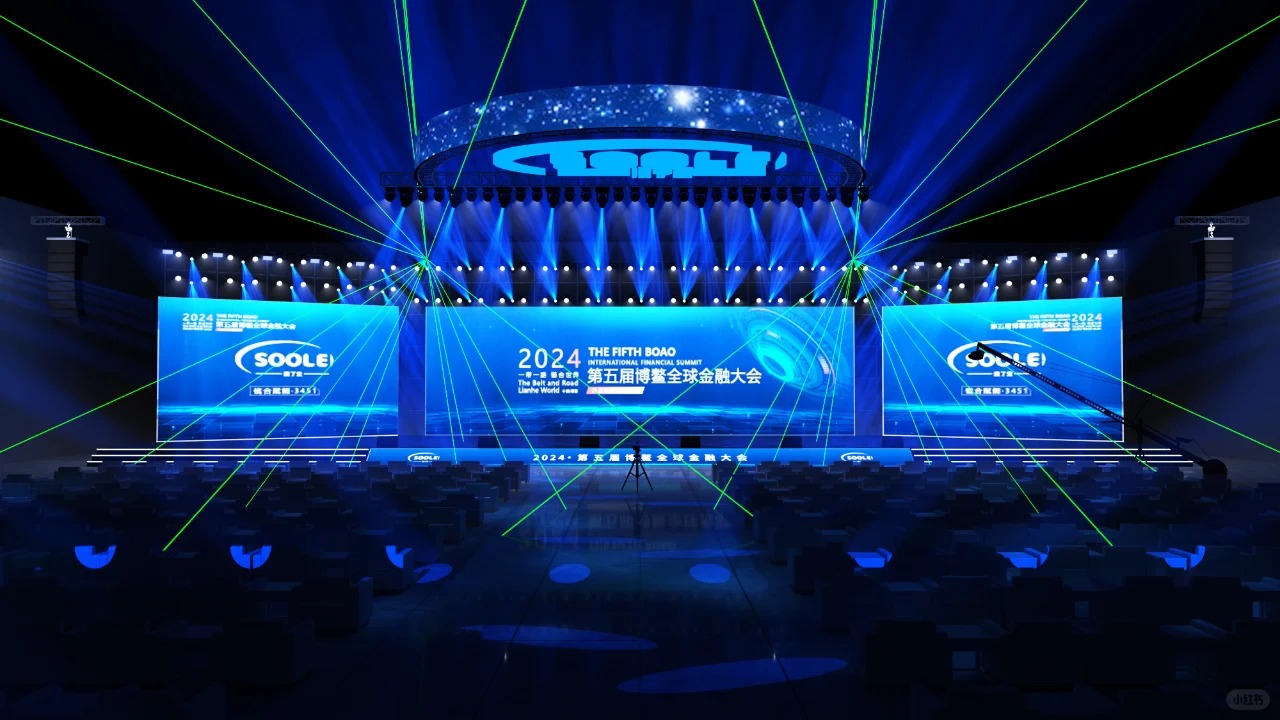
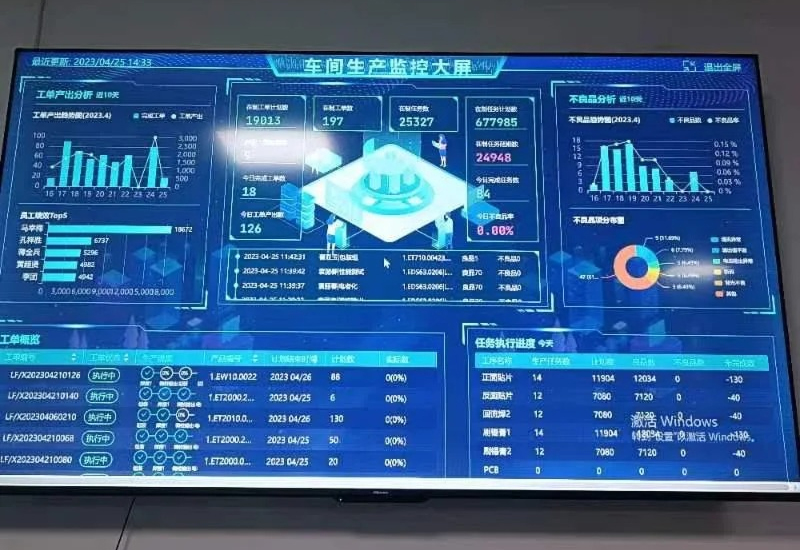
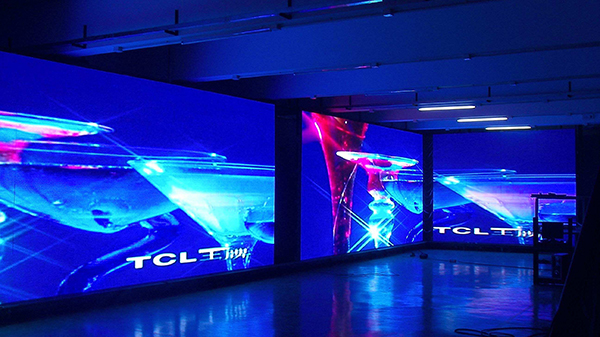
With the continuous advancement of technology, LED display screens have been widely adopted in daily life. Yet things do not always go as expected, and issues concerning the ingress protection rating frequently emerge during the operation of LED displays. What performance attributes must outdoor LED displays possess to withstand prolonged intense sunlight exposure?
Numerous clients share such concerns. While LED displays deliver excellent performance, customers find it uneconomical to invest heavily in an outdoor LED screen that cannot endure wind, rain and harsh sunlight.
Such worries are entirely reasonable. Outdoor LED displays usually feature large dimensions and considerable overall weight. Structural design tops the priority list for outdoor installation. The mounting framework must take core factors into account, including wind resistance, seismic resistance and load-bearing capacity. Furthermore, the shape, internal structure and exterior finishing of the display should be aesthetically compatible with the attached building and surrounding environment.
Local ambient conditions also require careful assessment, such as ambient humidity and airborne salinity levels, especially in coastal cities. Even with comprehensive planning, the service lifespan initially projected by early outdoor LED display manufacturers failed to be achieved in practical application.
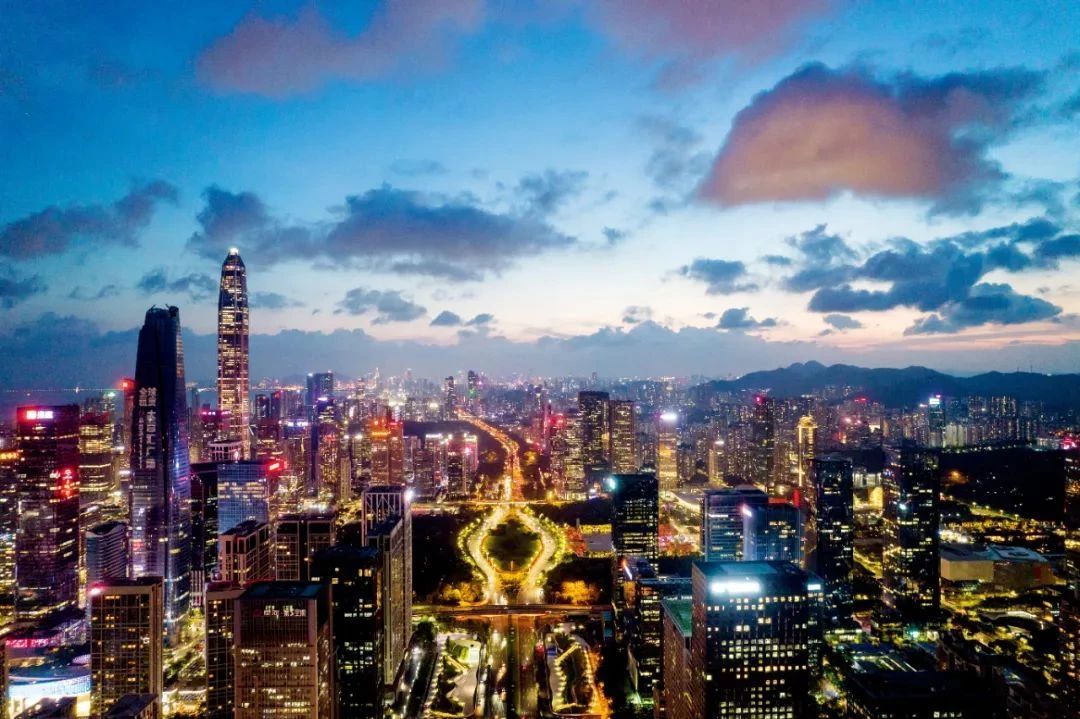
For southern cities like Shenzhen, sustained high ambient temperatures and intense ultraviolet radiation outdoors pose prominent challenges. LED displays generate substantial operational heat by themselves, which accumulates alongside outdoor high temperatures and direct solar radiation, shortening the equipment’s service life drastically. This has long been a critical obstacle restricting the market acceptance of outdoor LED screens.
Challenges drive technological innovation. To withstand intense sunlight, outdoor LED displays need eco-friendly raw materials processed via specialized craftsmanship. Adopting this glue-free manufacturing method enables LED modules to achieve eco-friendly performance against water, dust and ultraviolet rays. When selecting display products, customers need to clarify their actual requirements by analyzing installation scenarios, local environmental conditions and expected service performance; a comprehensive evaluation helps pick out the most suitable displays.
When in operation, especially under blazing sunshine, LED screens produce excessive heat. To sustain stable operation of the whole display system, manufacturers have developed an efficient forced-convection heat exhaust system. Combined with aluminum’s superior thermal conductivity property, the heat dissipation system achieves enhanced stability and reliability.






 CN
CN