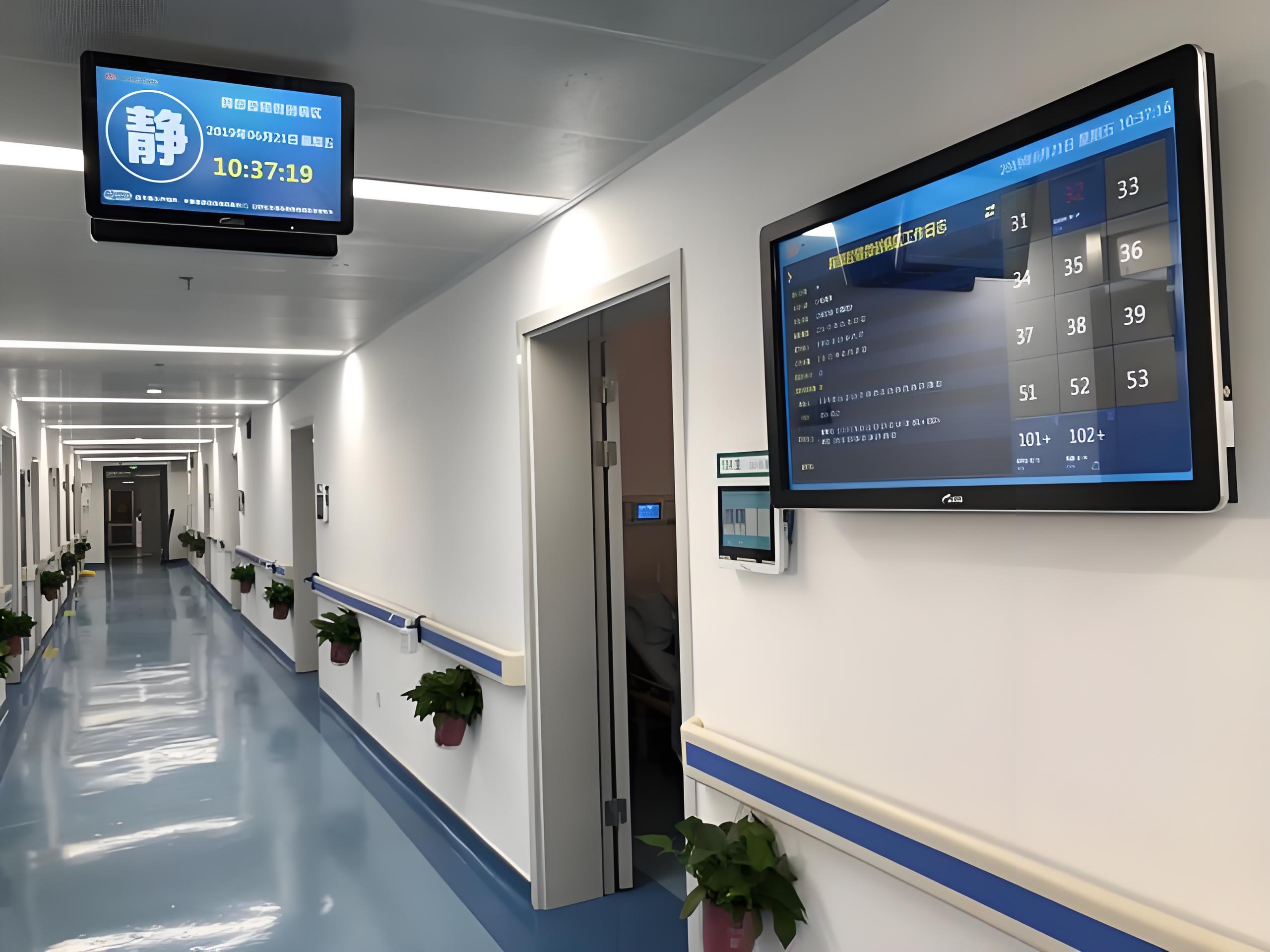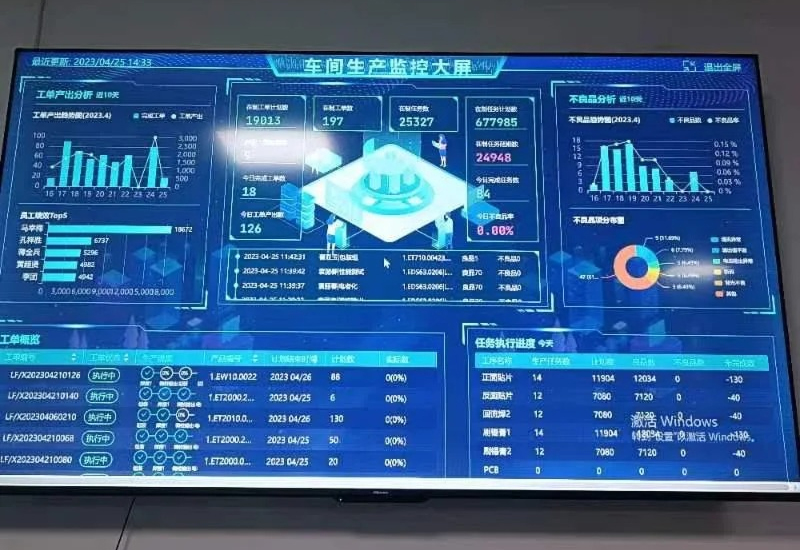
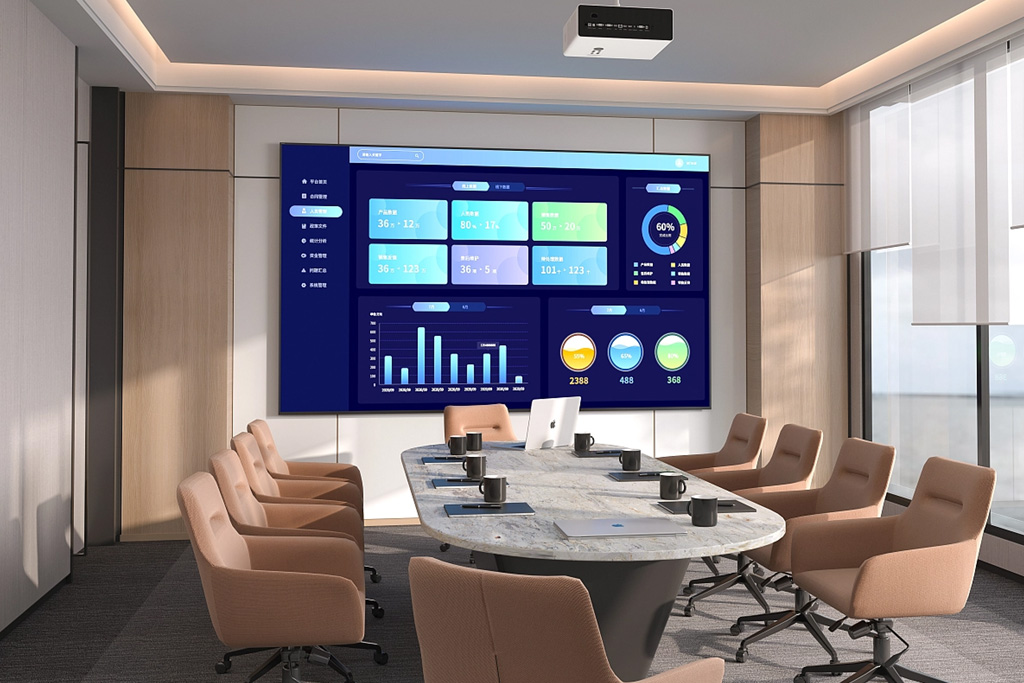
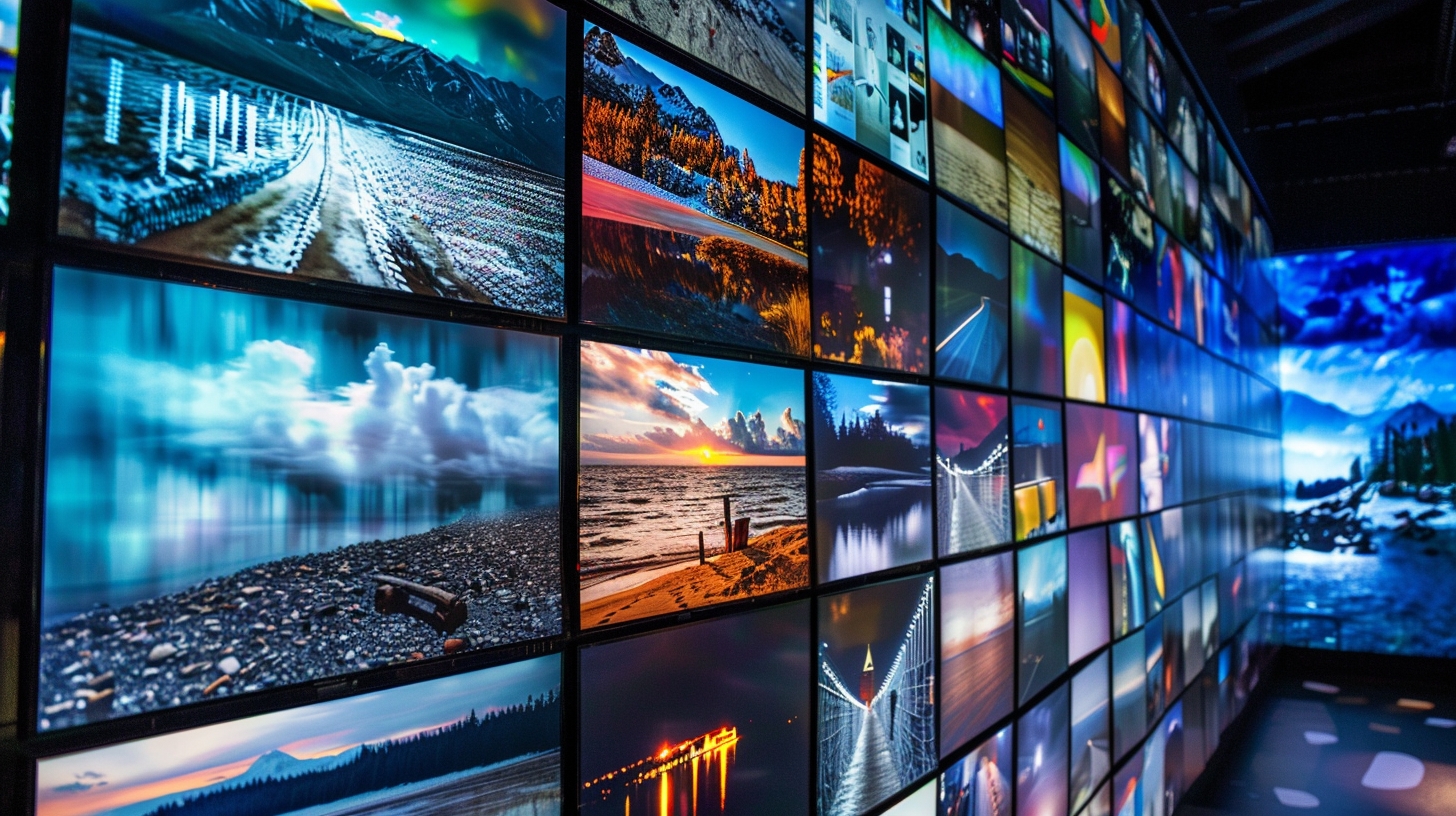
LCD splicing screens are professional large-screen splicing devices. They adopt the same core technology as LCD TVs, yet equipped with industrial-grade panels that support non-stop all-day operation without damage. Featuring ultra-narrow bezels with the minimum thickness reaching several millimeters, multiple screens can be combined to deliver superior overall visual performance. The faint black seams exert negligible impact on viewing experience.
Features: Each single screen boasts high native resolution, and combined resolution is available after splicing. It supports 4K display, with moderate brightness and contrast comfortable for prolonged viewing. It presents rich colors, owns mature panel technology and low failure maintenance rate.
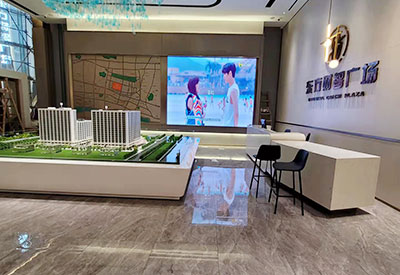
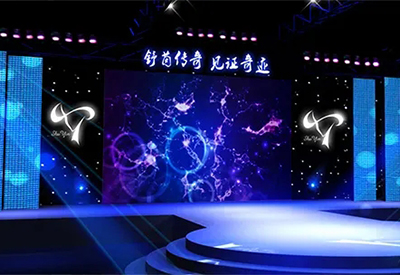
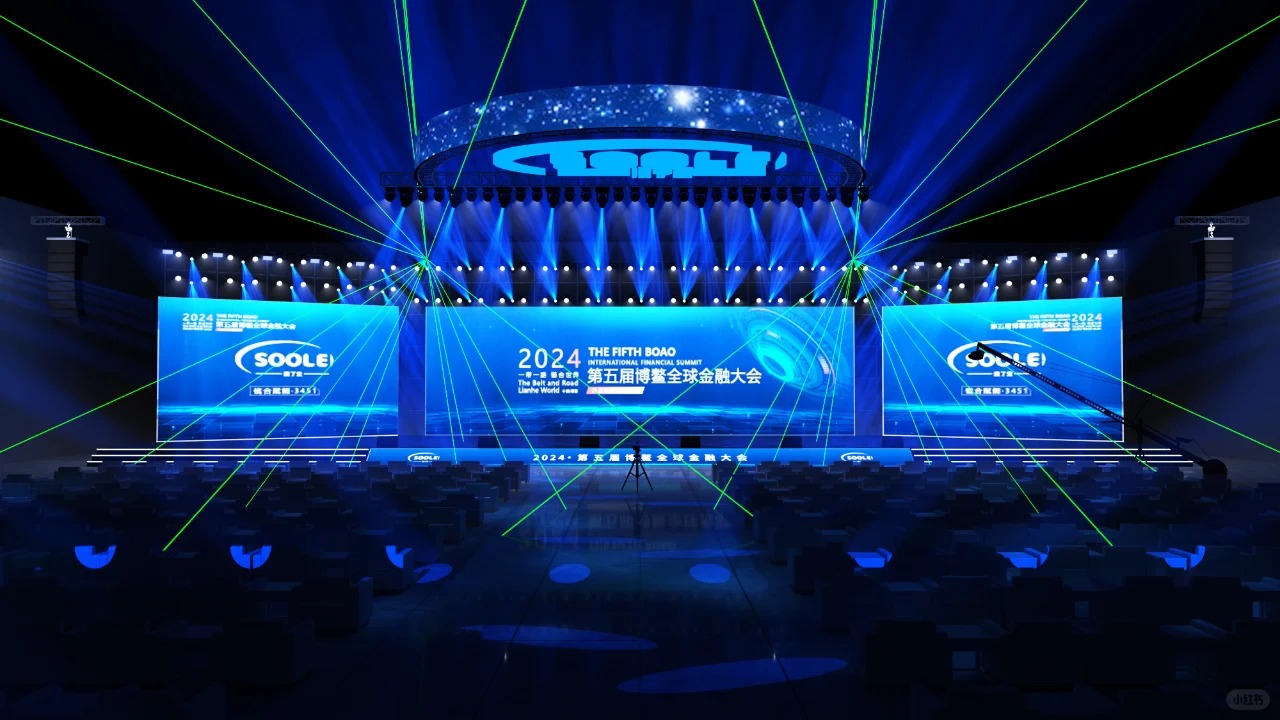
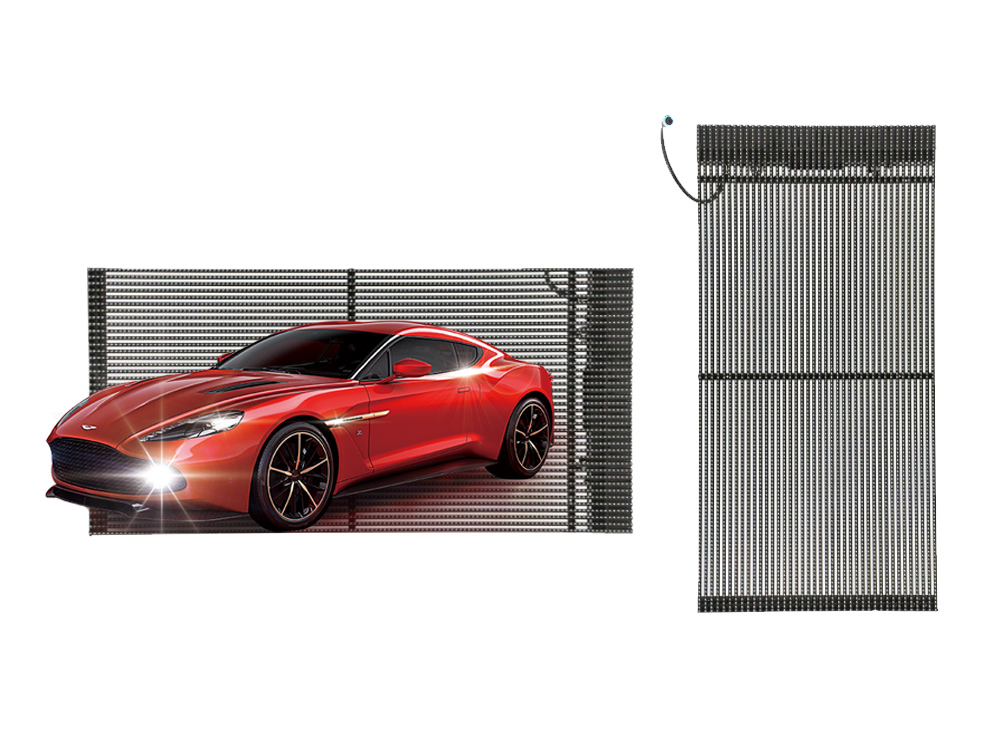
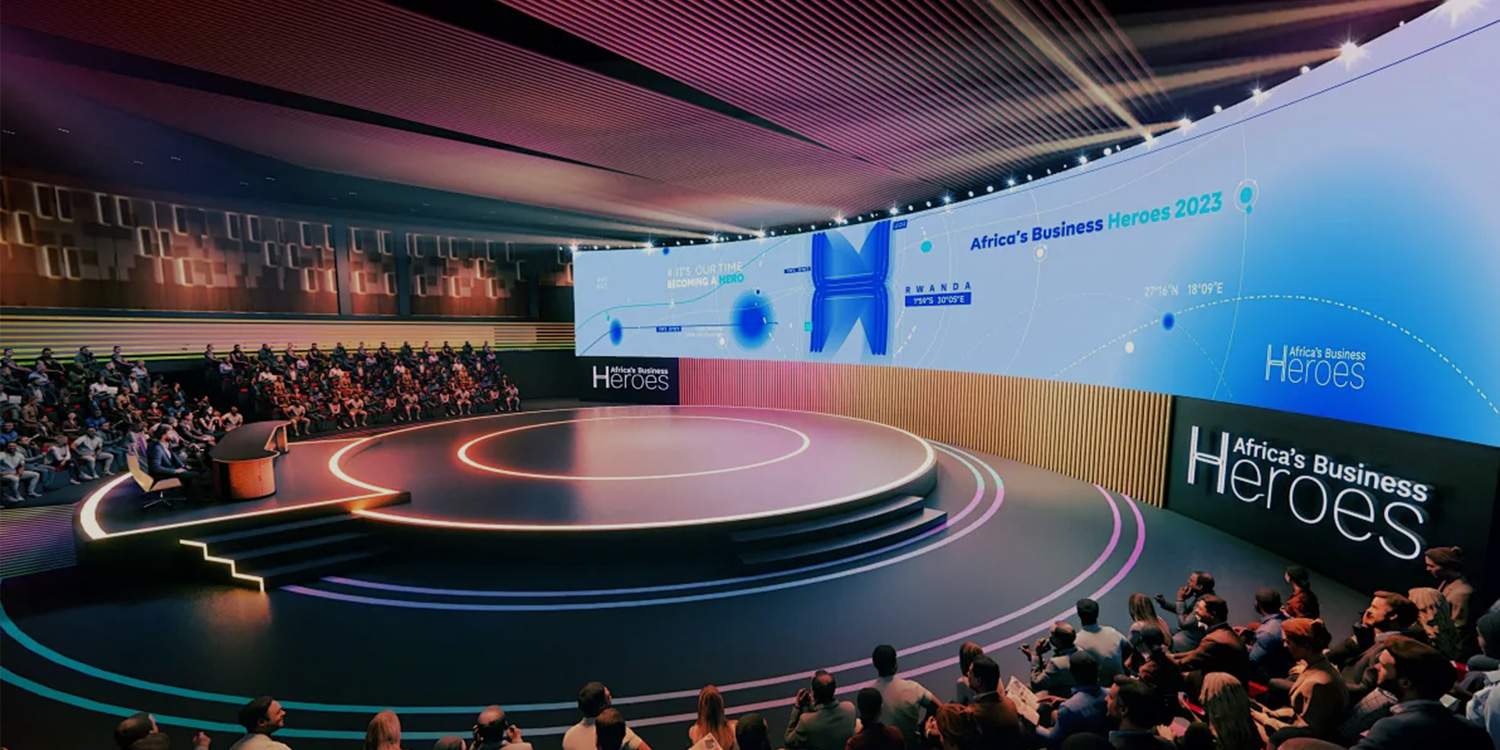
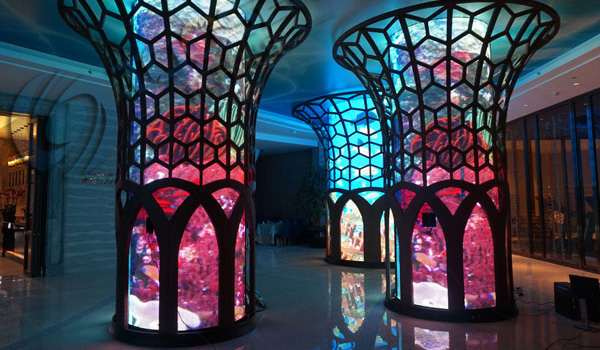
LED displays are widely applied, such as outdoor publicity screens in plazas and scrolling advertisement screens in stores. Assembled by modular panels, they consist of dense LED beads. Smaller bead size and pixel pitch bring higher resolution and better display effect.







Free Installation
Training

365-Day Whole
Machine Warranty

After-Sales
Service Network

Wechat official account


 CN
CN