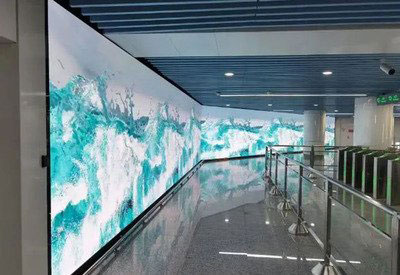
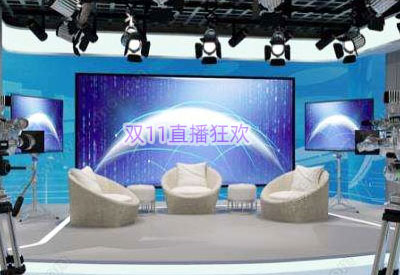
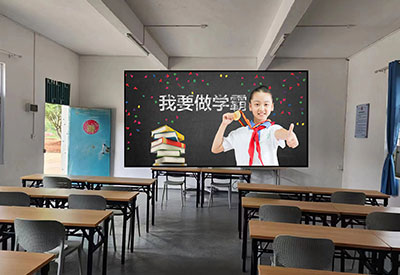
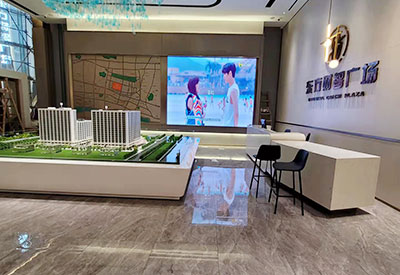
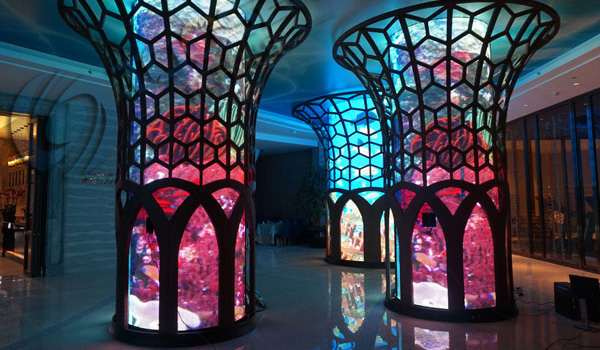
With the advancement of LED technology, display screens have evolved from large-pitch outdoor models to indoor close-view LED panels, making indoor LED applications increasingly common.
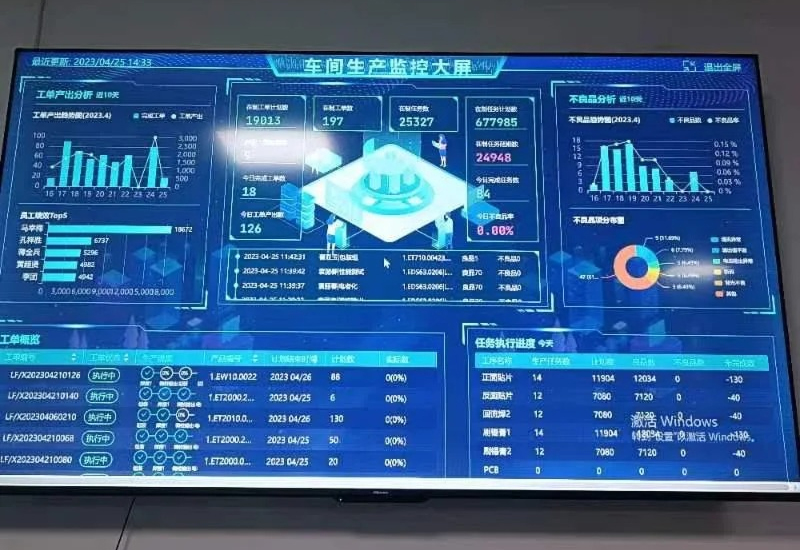
Especially amid the rapid development of smart cities and security industries, demand for indoor display equipment continues to rise across cities.
The market offers various display solutions, including LED, LCD, DLP and projection products. Many people struggle to distinguish their features and choose the most advanced and suitable one. The following is a detailed comparison of each product for your reference.
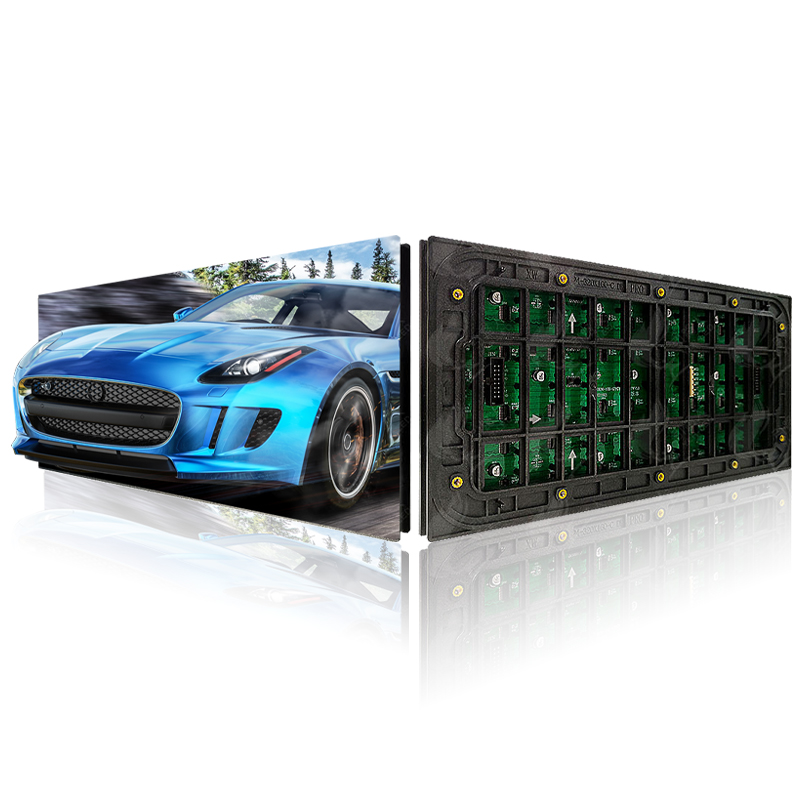
Indoor Fine-Pitch LED Display
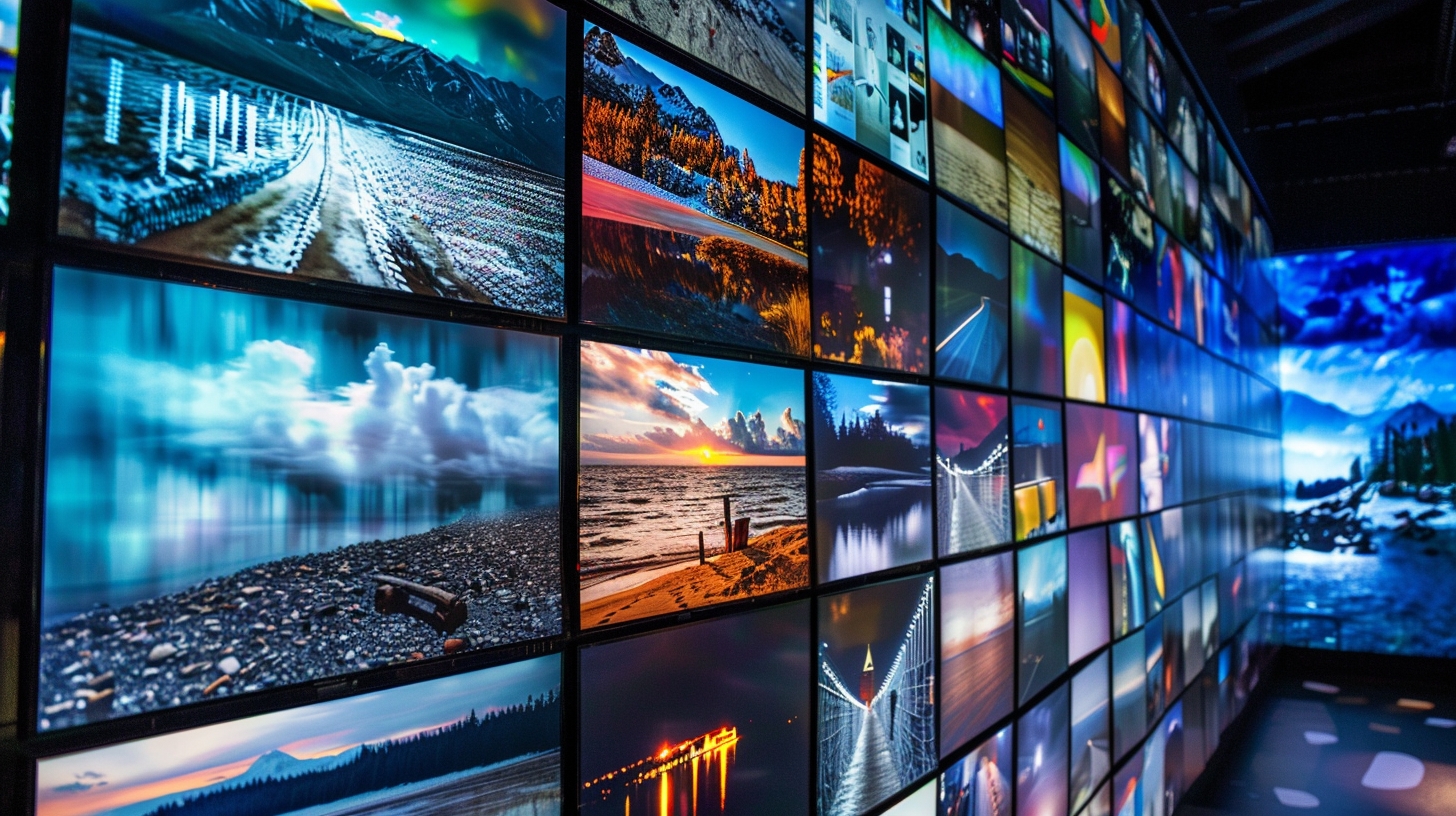
Different from DLP and LCD in luminous principle and structure, fine-pitch LED boasts a wide color gamut and excellent color reproduction. It features faster response speed with no ghosting or motion blur, and supports seamless splicing.
As technology matures, the price of indoor fine-pitch LED has become increasingly affordable.
Indoor LCD Video Wall
LCD splicing screens have obvious advantages and disadvantages.
The biggest drawback is visible splicing gaps. Even the narrowest bezel can still be seen by the naked eye, ruining the overall visual effect.
In addition, the picture is easily affected by ambient light and prone to reflection.
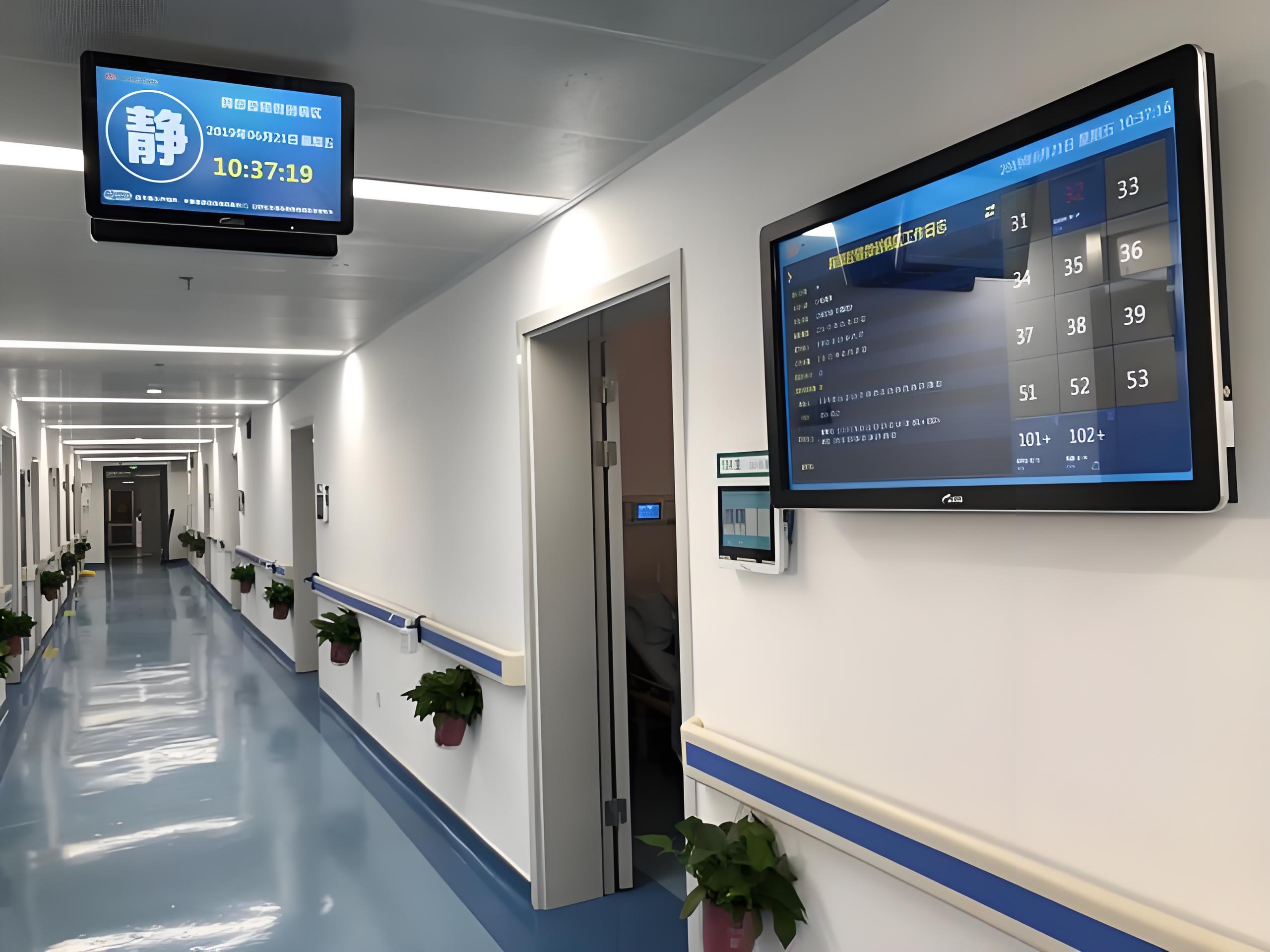
However, LCD still performs well in resolution, heat generation and maintenance. Since indoor scenes do not require ultra-high brightness, plus low purchase price and simple maintenance cost, LCD remains a cost-effective choice for indoor display.
Indoor DLP Video Wall
DLP delivers stable display performance. It has narrower seams and less mirror reflection than LCD, but still falls behind fine-pitch LED.
In terms of resolution and heat dissipation, it is inferior to LCD, yet better than fine-pitch LED. Overall, DLP features relatively low brightness, mediocre splicing effect and surface reflection, with balanced but unremarkable comprehensive performance.
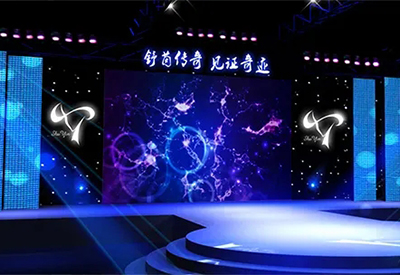
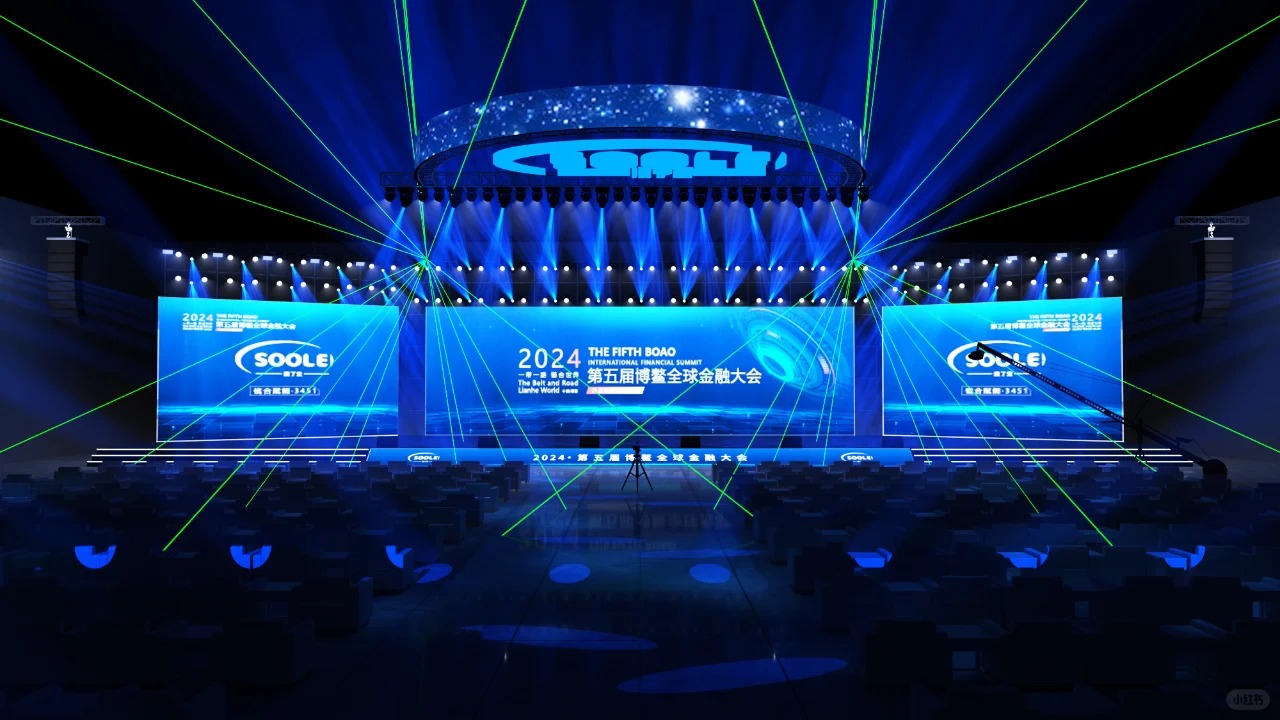
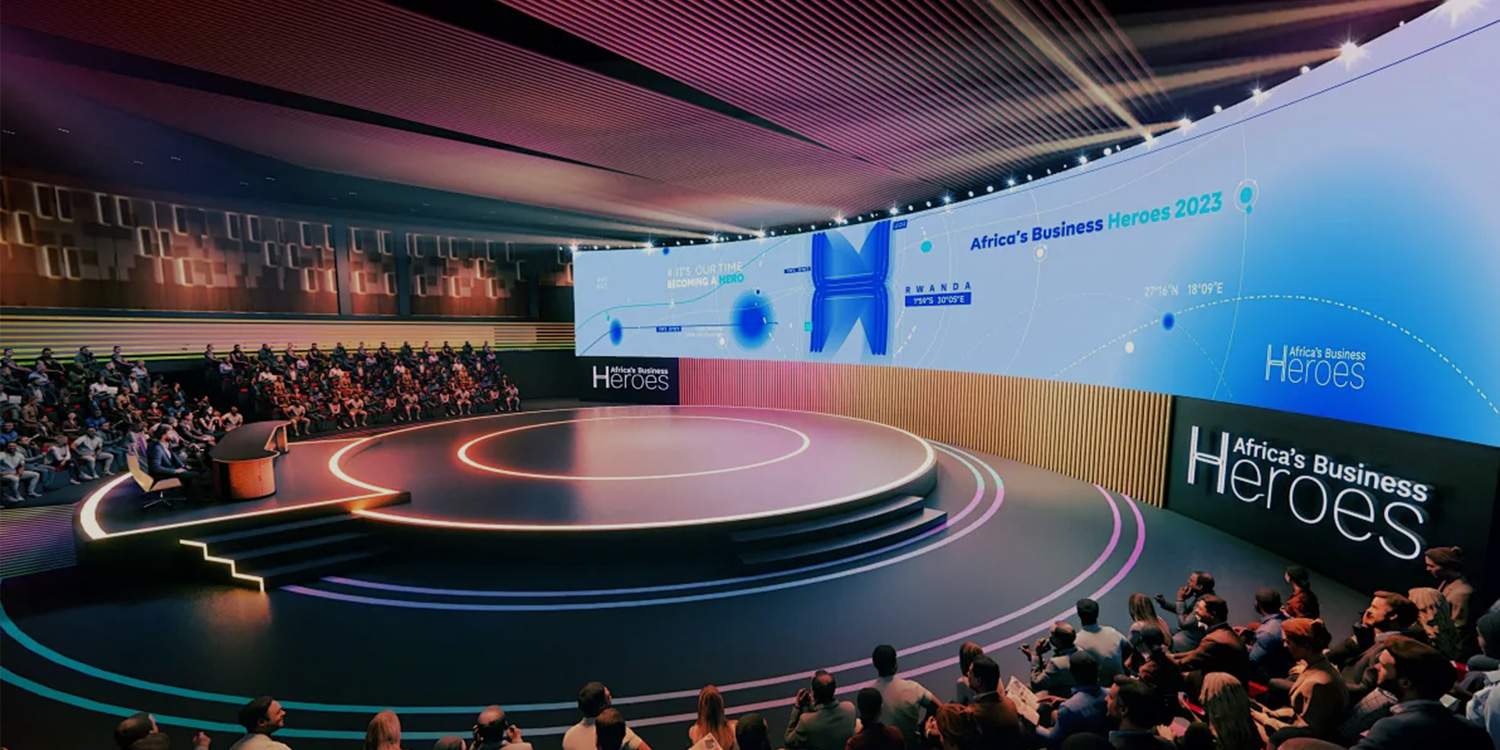
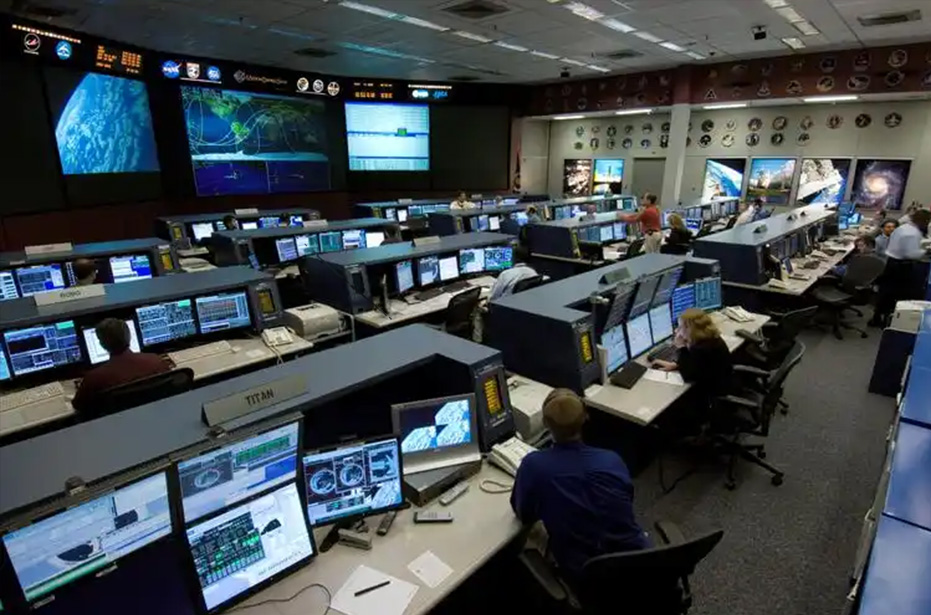
Fine-pitch LED screens have become widely popular in high-end large-screen scenarios. They are widely used in summits, press conferences, command centers and other important occasions.
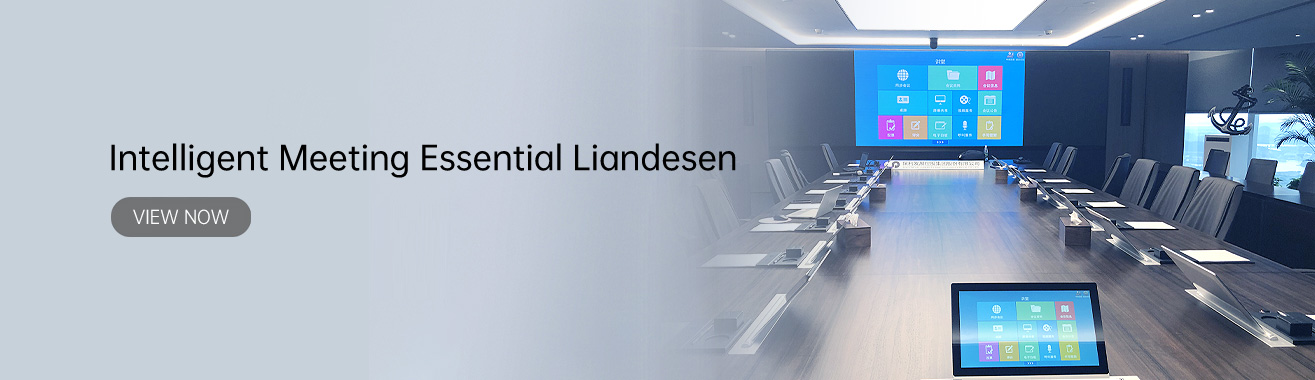
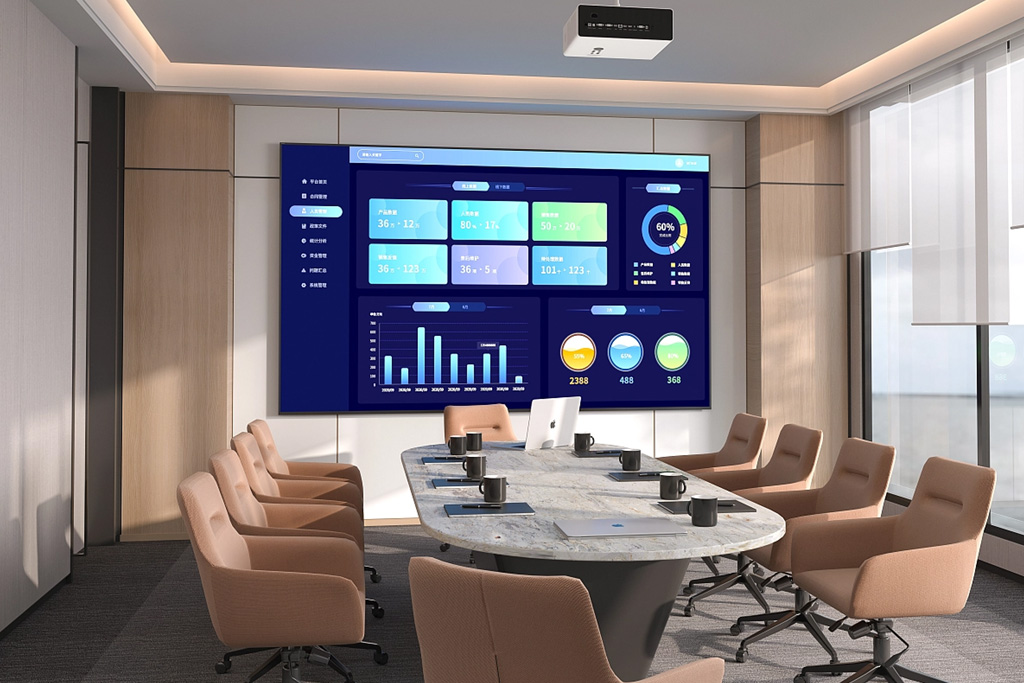
Driven by the internet era, demands for collaborative office, multi-site interconnection and remote video conferences have greatly boosted LED adoption in meeting rooms. LED serves as an efficient information transmission medium for large and important meetings. It solves many inherent defects of projectors and traditional splicing screens, thus achieving rapid growth in the conference display market.
The above has elaborated on the pros and cons as well as development trends of different display products. After understanding their characteristics, you can make a rational choice according to actual project needs and pick the most suitable display solution.










 CN
CN