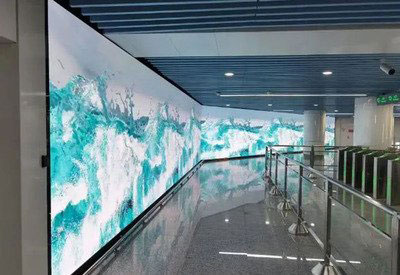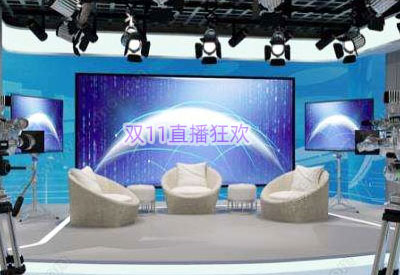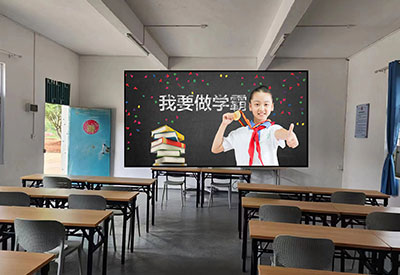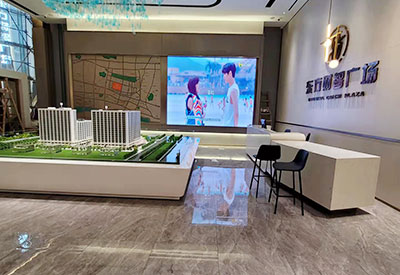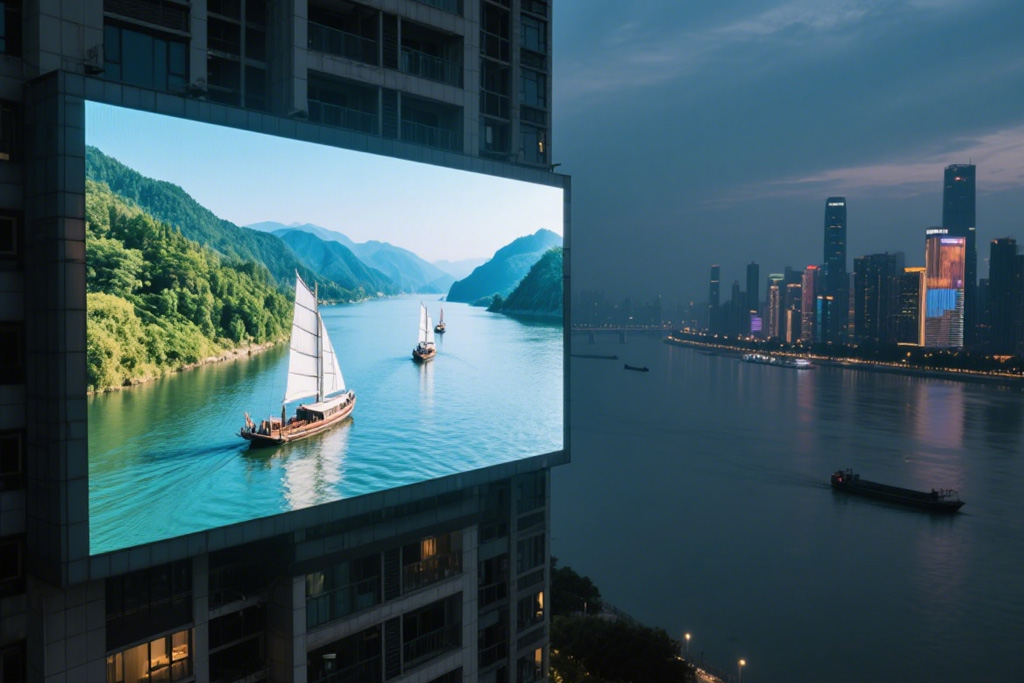
With the vigorous development of China’s economy and entertainment industry, stage design and presentation have become core priorities for numerous performances and events.
Diversified stage designs as well as stage art styles in line with themes and contemporary trends have been highly valued by major satellite TV stations and cultural institutions in recent years. Stage design demands varying across different times, venues and scenarios deliver distinct visual effects. Accordingly, the application of stage art design keeps diversifying in forms and innovating in technologies, enriching people’s daily entertainment life.
Integrating temporal and spatial artistic attributes, stage art design is an art blending four-dimensional space and time, which features strong technicality and high dependence on material conditions. As a secondary creation in artistic production, it serves as a supporting element for performers. During performances, it fulfills multiple functions: shaping character images via character and scene styling, constructing and organizing performance space, presenting settings and locations of plots, and creating specific moods and atmospheres required by the storyline. It also assists actors in interpreting characters’ inner emotions and conveying the ideological connotations of scripts through visual creation.
Application and Effects of LED Display Screens in Stage Art Design
Stage art design has formed relatively mature systems and standardized development models, and clear preferences have emerged in the selection of display equipment. Featuring outstanding flexibility, cost-effectiveness and exquisite image quality, LED display screens boast remarkable advantages for stage art design applications.
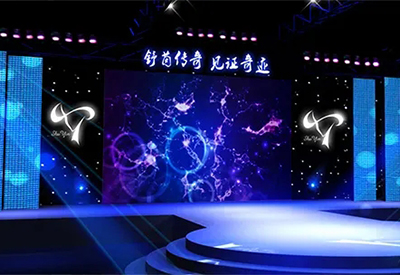
The wide adoption of LED displays in stage design is an inevitable trend of social development. Beyond coordinating with stage audio systems, they deliver stunning background visuals and exclusive screen characteristics, and undertake the overall layout of on-screen scenes, acting as an indispensable auxiliary tool on stage. As stage application demands grow, continuous technological innovation and upgrading of LED display technologies have become increasingly essential.
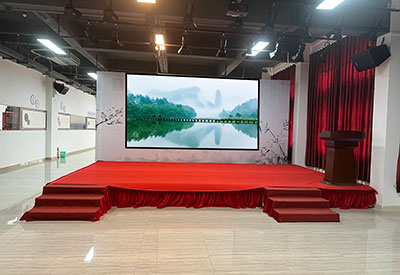
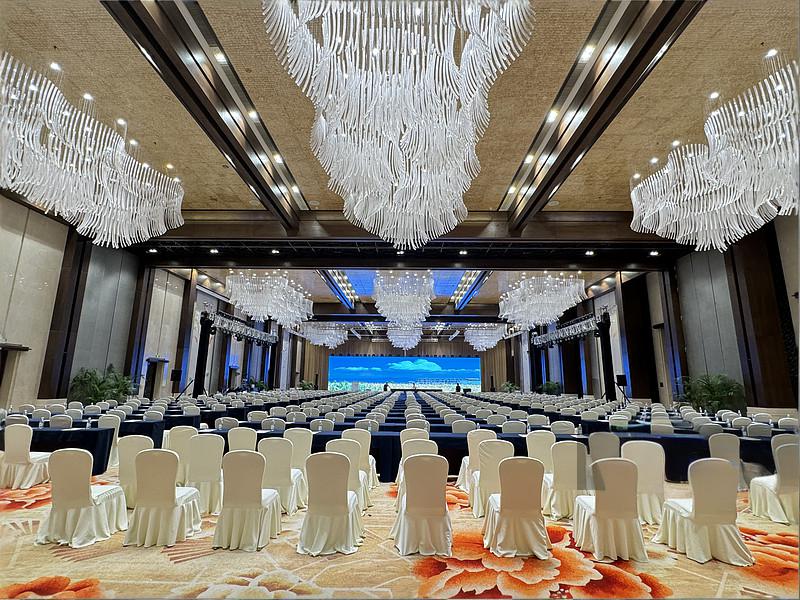
In the stage design process, designers can arrange layouts according to expected stage effects and scene requirements, creating diverse, flexible visuals that conform to modern artistic aesthetics, allowing audiences to better resonate with event themes. The perfect combination of design concepts and LED visuals achieves highly matched stage background layouts.
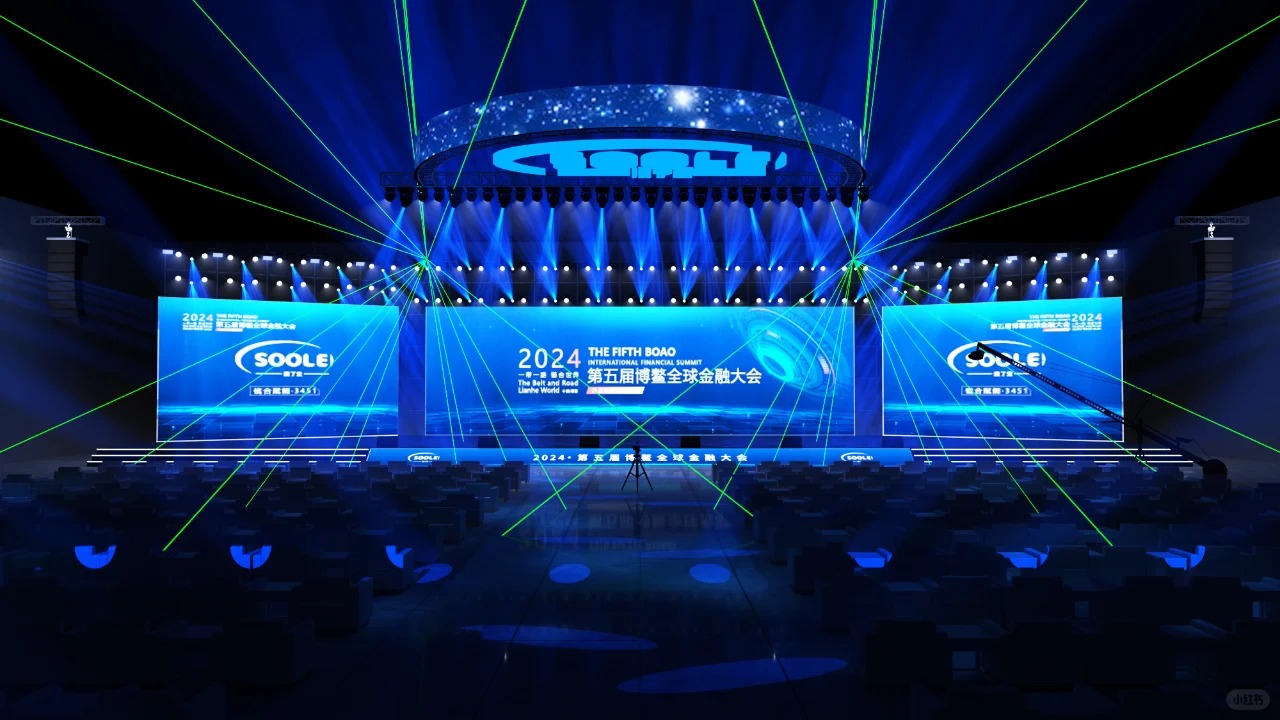
Modern innovative scene setting solutions realize flexible scene presentation with lower cost, better fitting stage themes and contemporary aesthetic standards. In accordance with organizers’ design ideas, LED screens can instantly present various content needed for different event segments with vivid and realistic visual effects that fully meet artistic demands, winning wide recognition from event organizers and audiences alike.
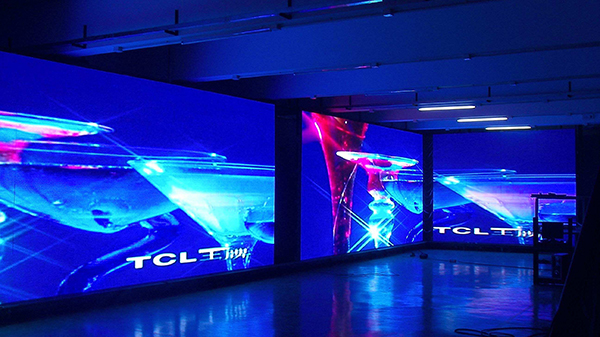
To meet market demands, LED display screens have continuously pioneered new stage art forms in recent years. Combined with stage lighting and dynamic images, they inject brand-new artistic creativity into stages from multiple perspectives and levels. The integration of LED displays and stage lighting realizes synchronized visual and audio presentation via multimedia technology, endowing stages with flexible and diverse expressive forms.
In addition to highlighting stage characteristics and artistic charm, LED displays in stage art applications can vividly depict various facets of real life, serving as a carrier to reflect real society. They create multi-level visual experiences and bring audiences rich emotional resonance.
Visual footage presented by LED displays together with various video devices can quickly immerse audiences into event themes, guide their emotional changes and arouse corresponding feelings, thus setting the emotional tone of the whole event. All kinds of emotions reflect real life; with flexible scene switching and professional equipment configuration, audiences can perceive diverse life sentiments, which credit to the joint efforts of all behind-the-scenes stage staff.
Conclusion
Excellent stage design and brilliant on-site presentation rely on the dedication and hard work of numerous backstage practitioners. To achieve ideal stage effects, LED display screens stand out as superior display equipment with prominent advantages.
Furthermore, sophisticated stage design also requires professional technical personnel and scientific application strategies. Relevant practitioners should keep learning advanced LED display functions and practical application skills, so as to better apply such technologies to stage construction, optimize overall stage presentation effects, provide solid technical support for related work, and contribute to the steady development of stage art design.






 CN
CN