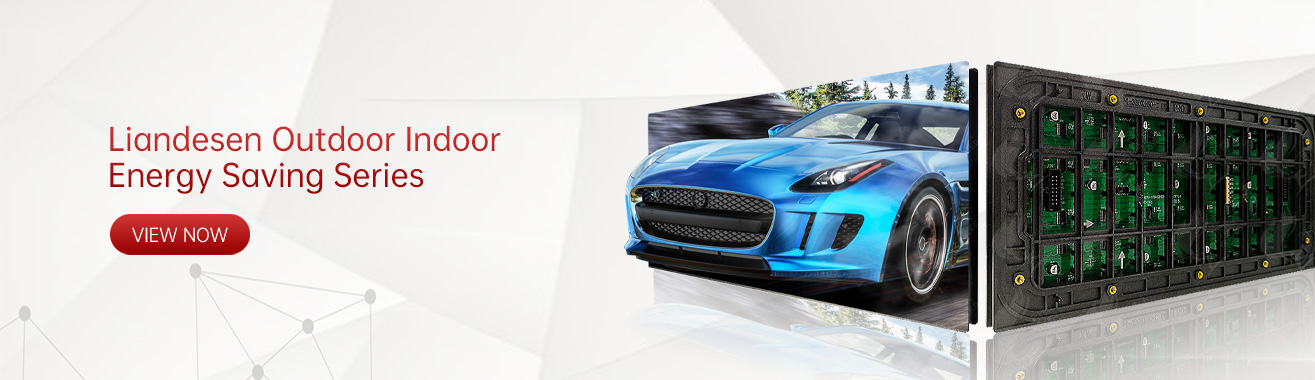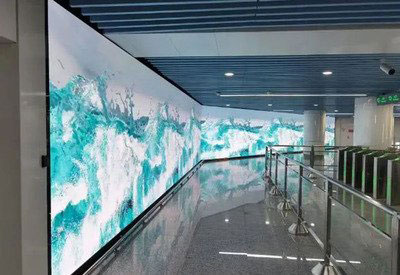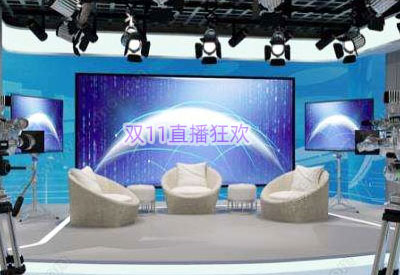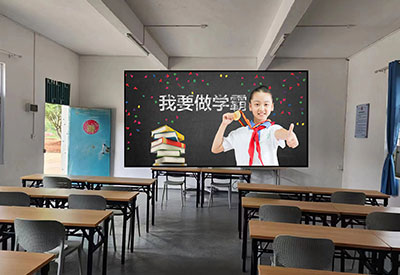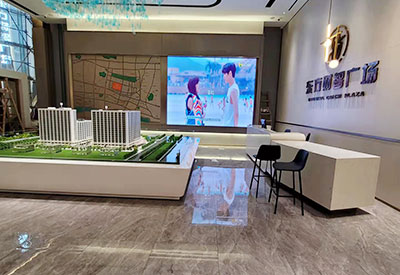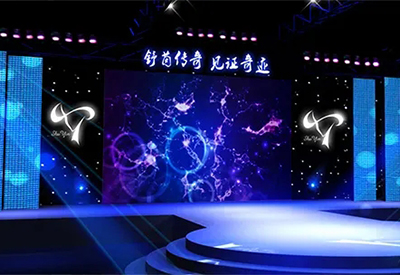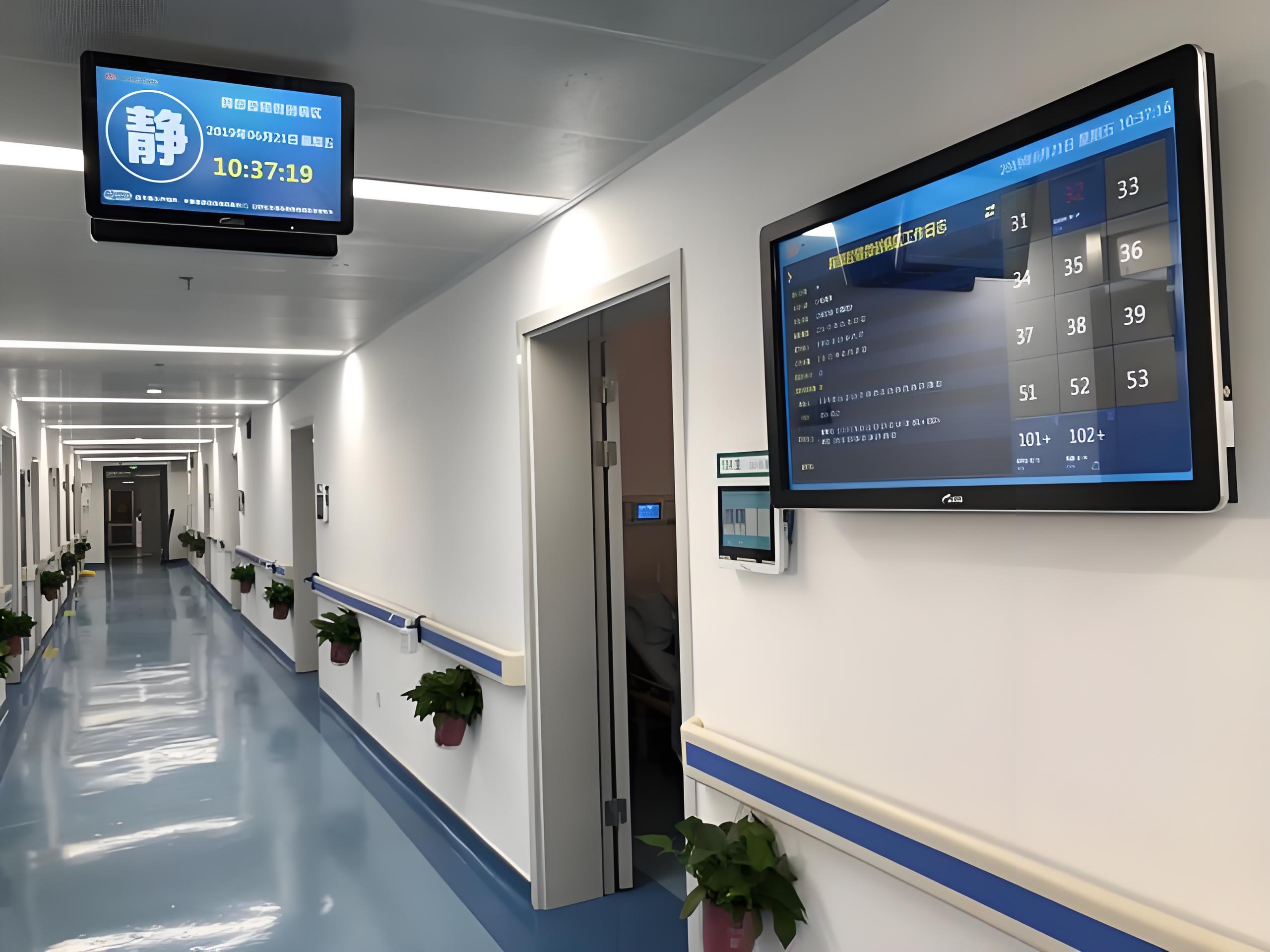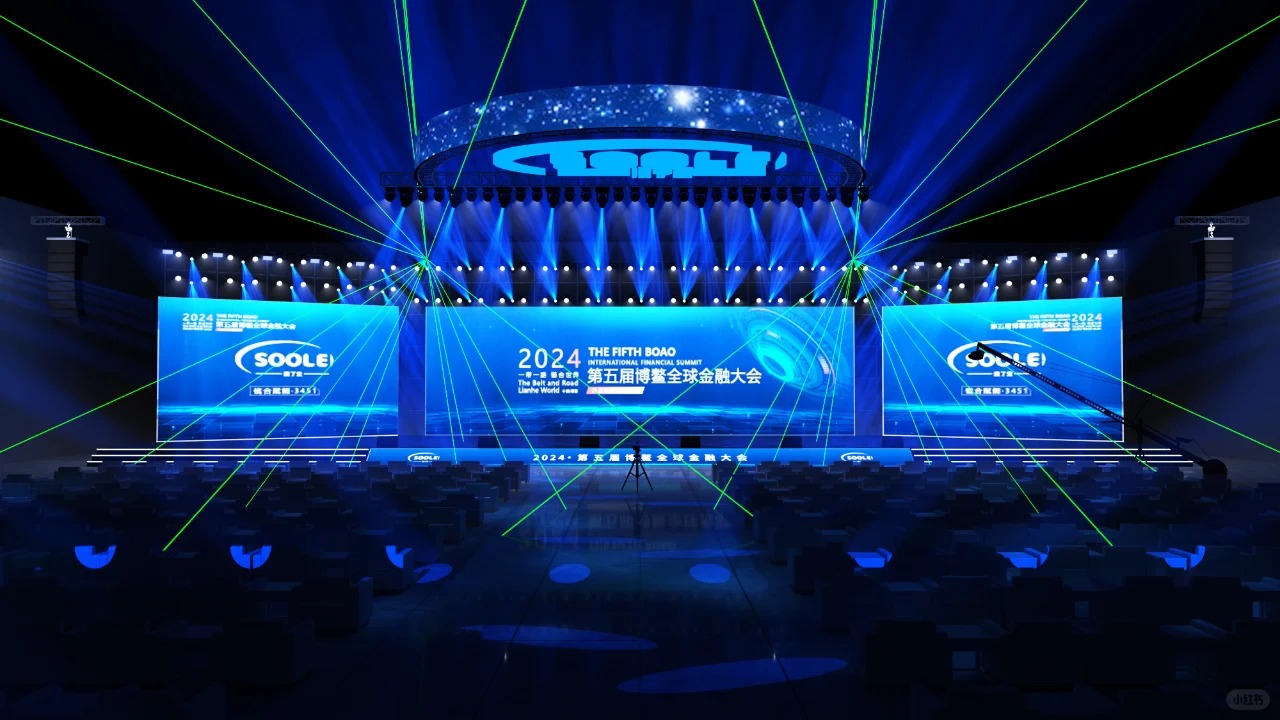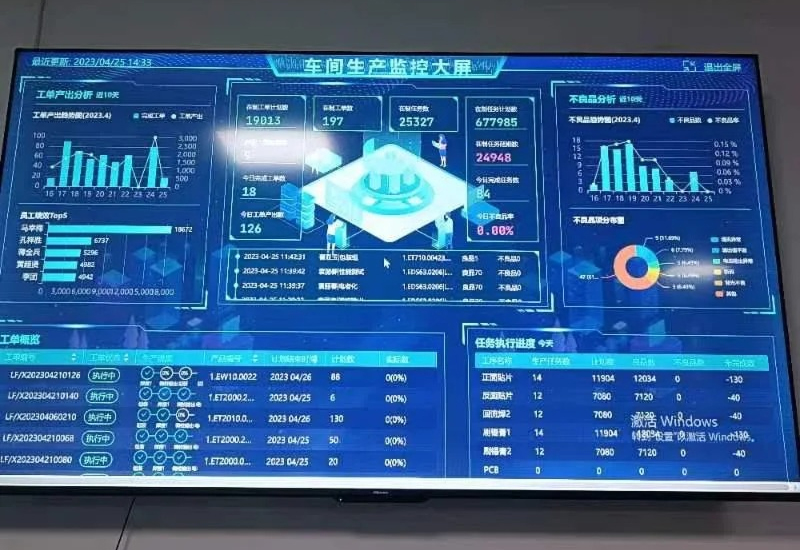
Outdoor LED displays are equipped with a lighting control system, which means they do not operate at a fixed brightness level. Instead, they can adjust screen brightness according to changes in the environment,
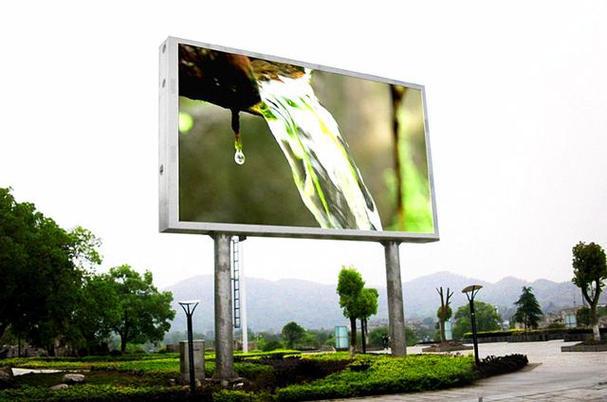
ignificantly reducing operating costs while also making the display more comfortable for viewers. During design, technology with point-by-point correction for brightness and color is incorporated, enriching the colors of outdoor LED displays. With high refresh rates and high grayscale levels, the images on LED displays are more realistic, meeting the high visual quality requirements of commercial use. Additionally, outdoor LED displays feature a fiber optic transmission system, which effectively reduces signal delay and ensures consistent playback.
Outdoor LED displays have dual-network cable hot backup functionality: two computers control one screen simultaneously. If one computer malfunctions, the other takes over automatically to ensure the display continues working normally. The LED control system also uses a dual backup system, allowing customers to immediately switch to the backup system in the event of a failure.
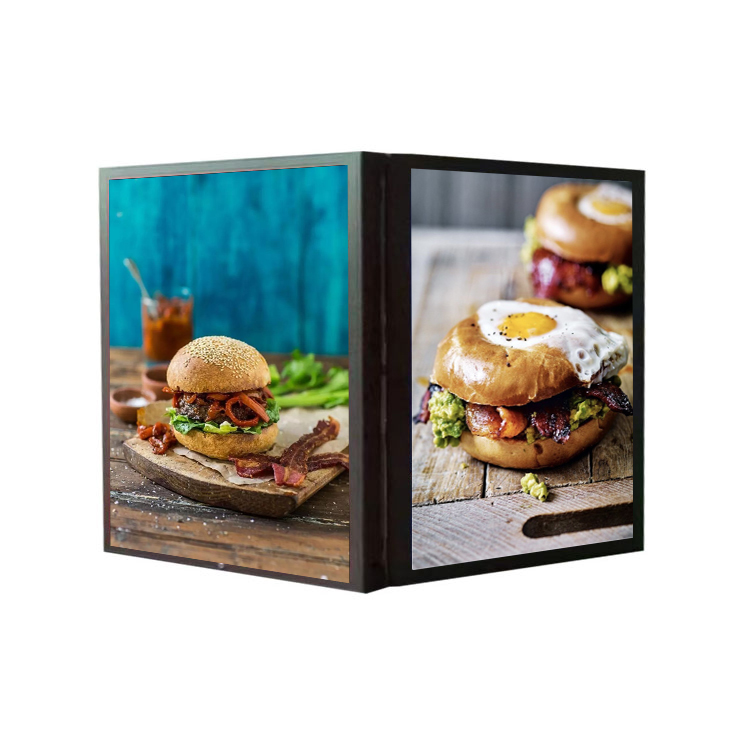
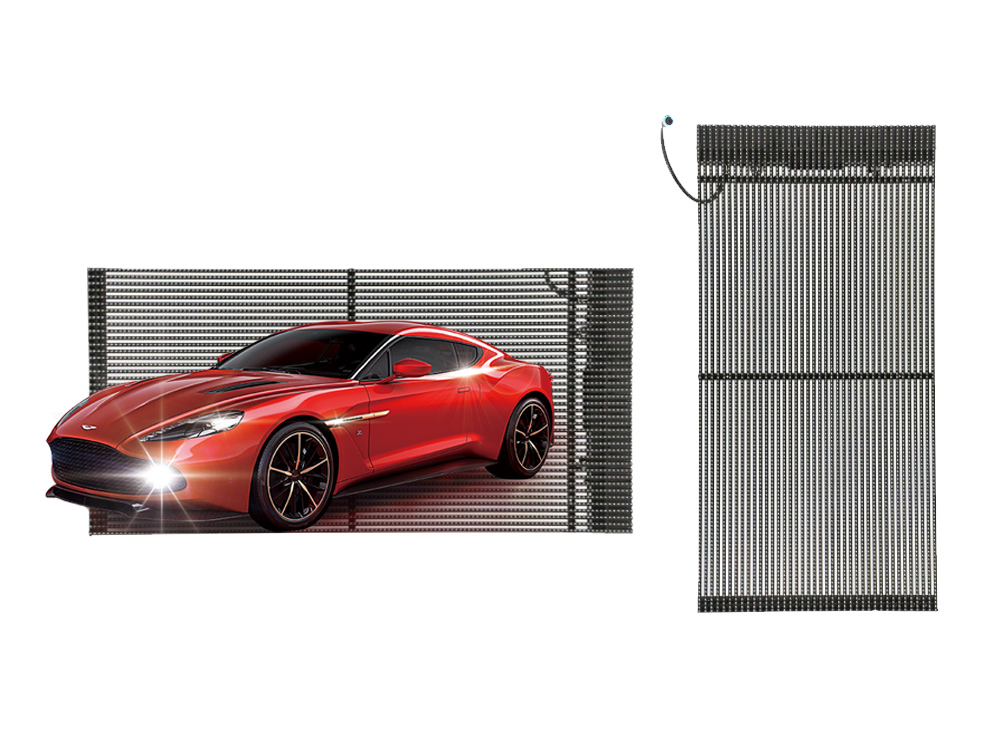
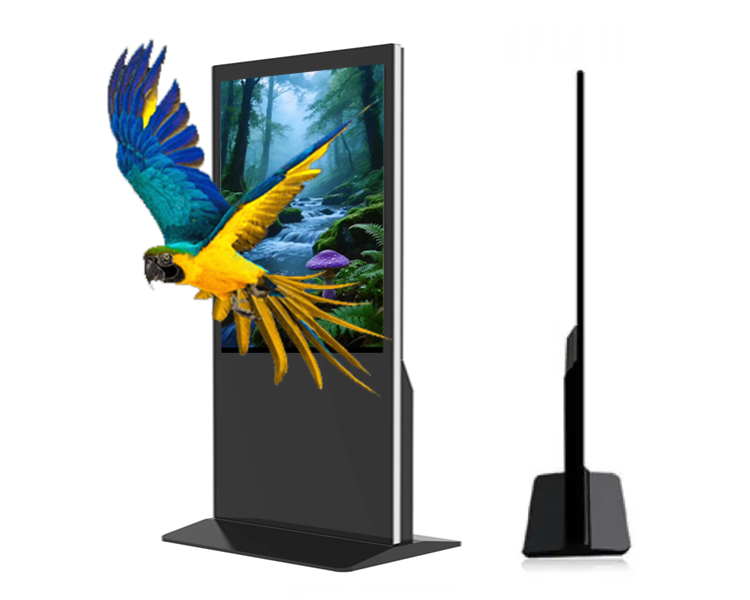
Outdoor LED displays are waterproof, shockproof, and lightning-proof, enabling them to continue operating even on rainy days. They support remote network control, allowing users to easily update screen content with just a few mouse clicks, making it possible to build city-wide and regional advertising display network clusters. Outdoor LED displays adopt a front-maintenance design, facilitating later maintenance. They are compact and practical, with customizable shapes and creative appearances. The main purpose of large outdoor LED screens is brand communication and promotion; transforming a static screen into a "moving screen" is extremely eye-catching.

Free Installation
Training

365-Day Whole
Machine Warranty

After-Sales
Service Network

Wechat official account


 CN
CN