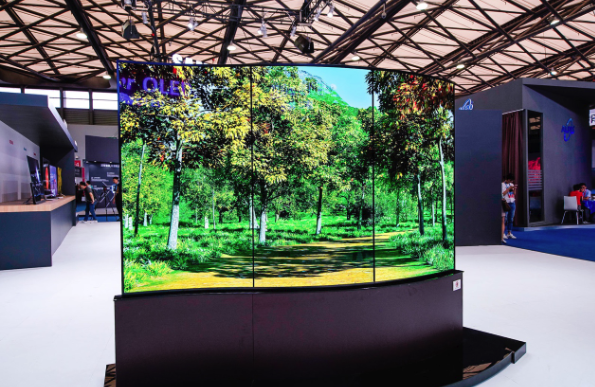
Many netizens may have noticed that in the current PC market, an increasing number of brands are replacing traditional LCD screens with OLED displays. Taking ASUS as an example, its products such as ZenBook 14 Fold and ZenBook Pro series have successively adopted OLED screens. Judging from market feedback, users have spoken highly of the visual performance of OLED displays.
In user reviews on JD.com, numerous buyers praise the outstanding screen performance, vivid color presentation and ultra-high resolution of ZenBook 14 Fold, and many consumers choose this laptop specifically for its high-resolution OLED panel.
It is evident that the trend of OLED screen adoption is becoming increasingly prominent in the laptop industry.
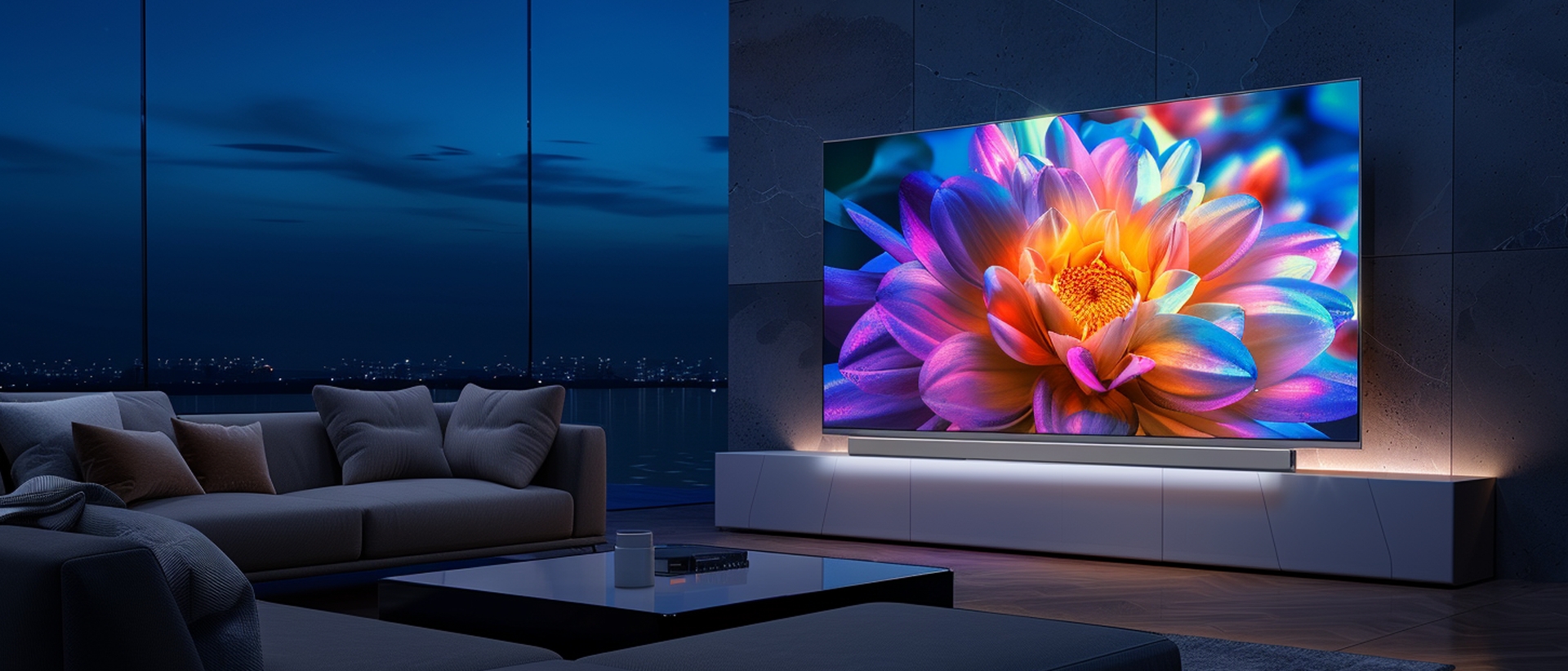
In terms of material characteristics, LCD screens deliver clear visuals, natural colors and excellent stability. After years of technical refinement, LCD costs have dropped significantly, making IPS and VA LCD panels mainstream choices for most laptops. Apart from cost benefits, LCD display technology has reached maturity with limited room for further improvement. By contrast, OLED features more advanced technology, boasting vibrant colors and slimmer, lighter panels, along with superior contrast ratio and lower power consumption.
Currently, OLED screens are not yet widely popularized mainly due to high early-stage costs, so they are mostly equipped on flagship devices. Nevertheless, as more laptops adopt OLED technology, scale effects will drive down costs steadily, making OLED an irresistible mainstream trend in the future.
Thanks to its low blue light and self-luminous features, OLED outperforms LCD in overall screen performance.
Furthermore, equipping laptops with OLED screens has become an inevitable trend for Windows devices. The Windows system mainly supports sRGB color management, so ordinary screens running under wide gamut tend to show oversaturated colors with obvious red, yellow and blue color overflow, severely ruining visual experience.
In comparison, OLED screens are inherently wide-gamut panels, which enable more delicate color rendering without color overflow issues, making them the ideal color-matching solution for Windows systems at present.
Take ZenBook 14 Fold for instance. Its built-in high-resolution OLED screen delivers high PPI to eliminate grainy visuals, and covers wide DCI-P color gamut, displaying far more colors than standard sRGB panels. It also features ultra-high contrast ratio and brightness, plus physical blue light filtering technology to effectively protect eye health.
Apart from ASUS, brands including HP, Dell and Razer have also launched OLED-equipped laptops, yet most of their products are limited to gaming laptops and professional mobile workstations. In contrast, ASUS is actively promoting OLED devices targeting markets below the flagship tier.












Free Installation
Training

365-Day Whole
Machine Warranty

After-Sales
Service Network

Wechat official account


 CN
CN