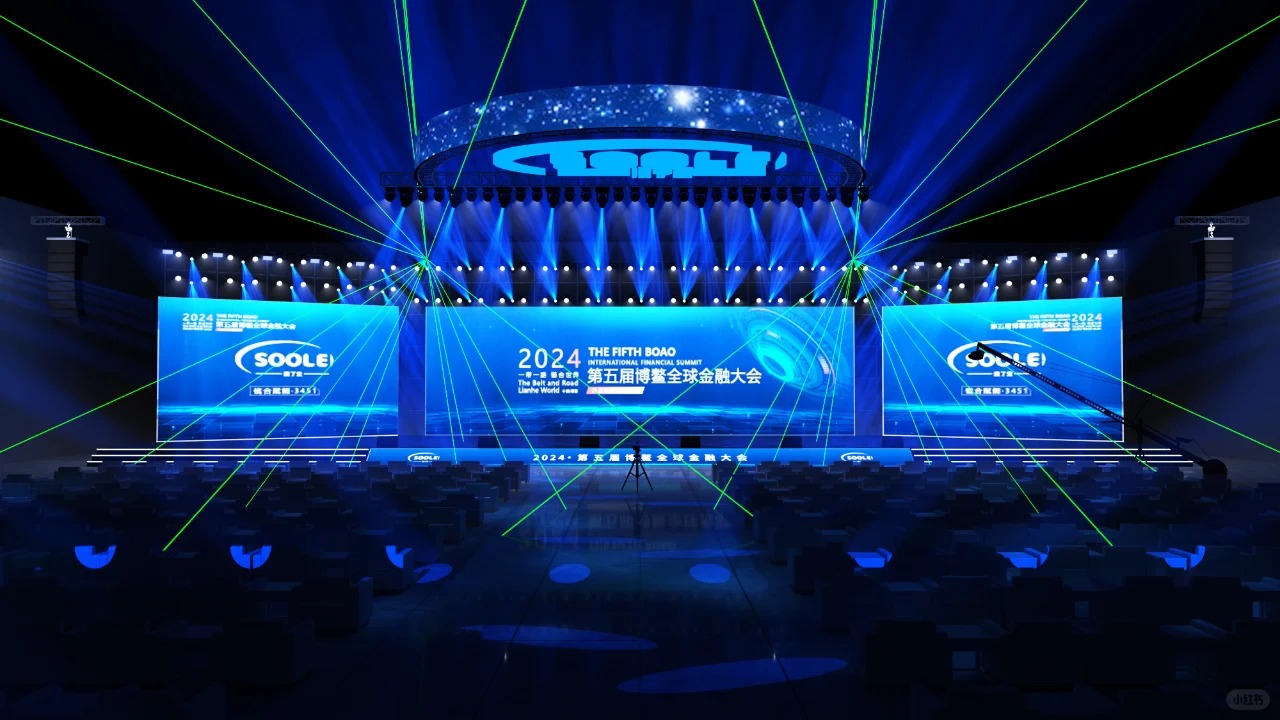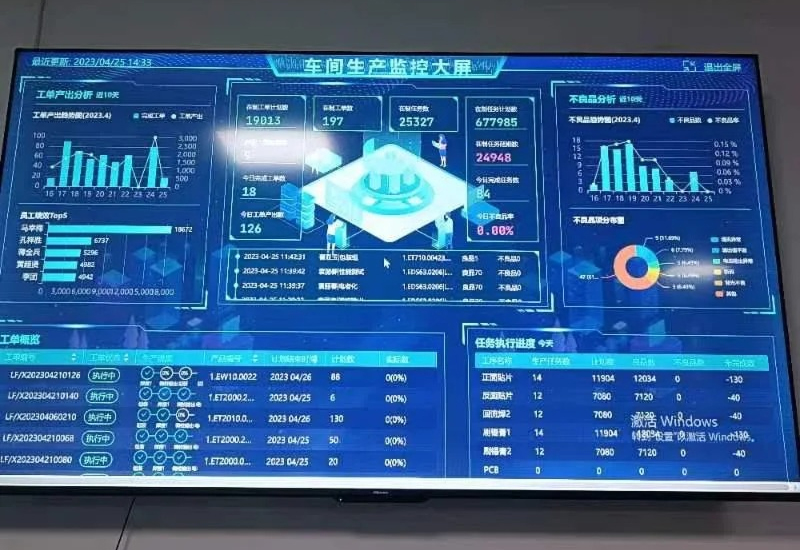
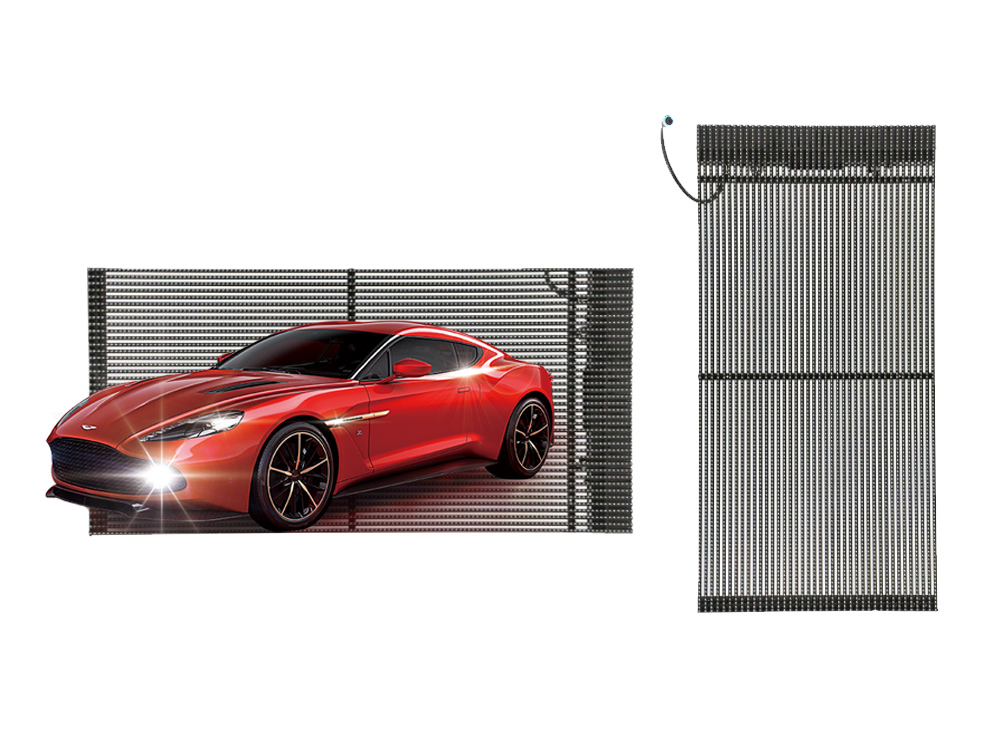
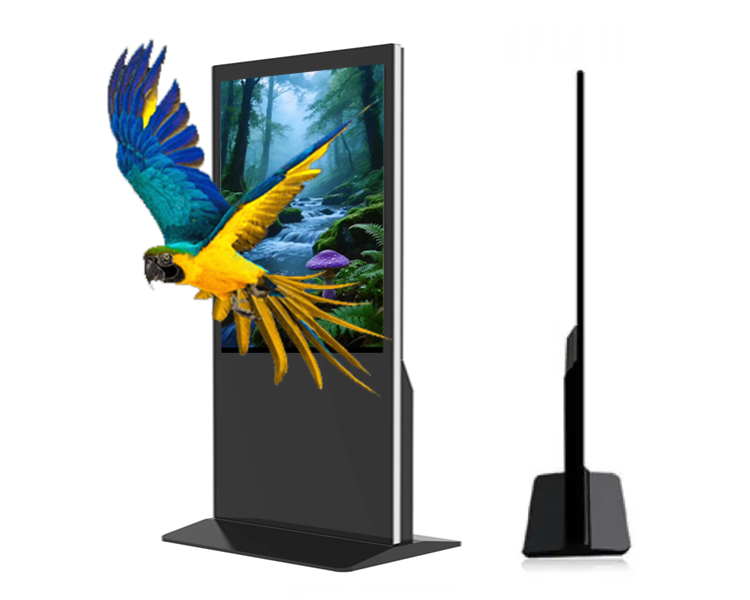
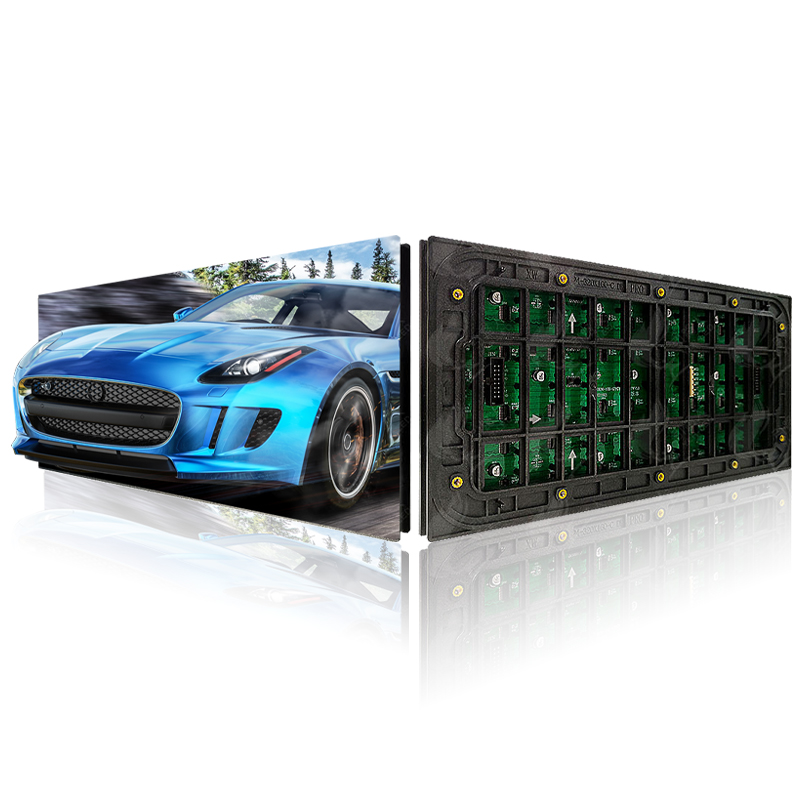
Recently, due to continuous increases in global precious metal raw material prices, the LED industry has entered a new wave of price hikes. According to industry reports, companies including Tianjian Guangdian and Infly have announced price adjustments ranging from 5% to 25%. This trend has affected the entire industry chain, from upstream chips to downstream applications, significantly impacting segments such as LED displays, LED rental screens, LED flexible screens, and LED indoor screens.
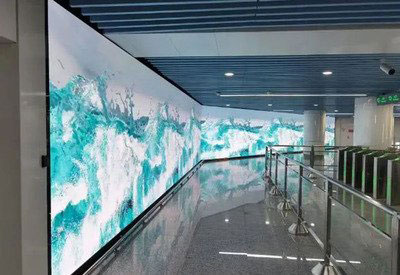
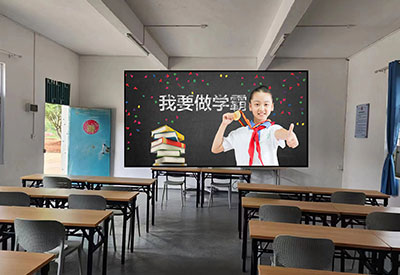
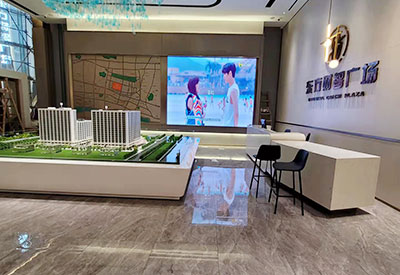
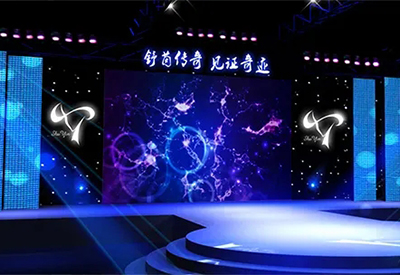
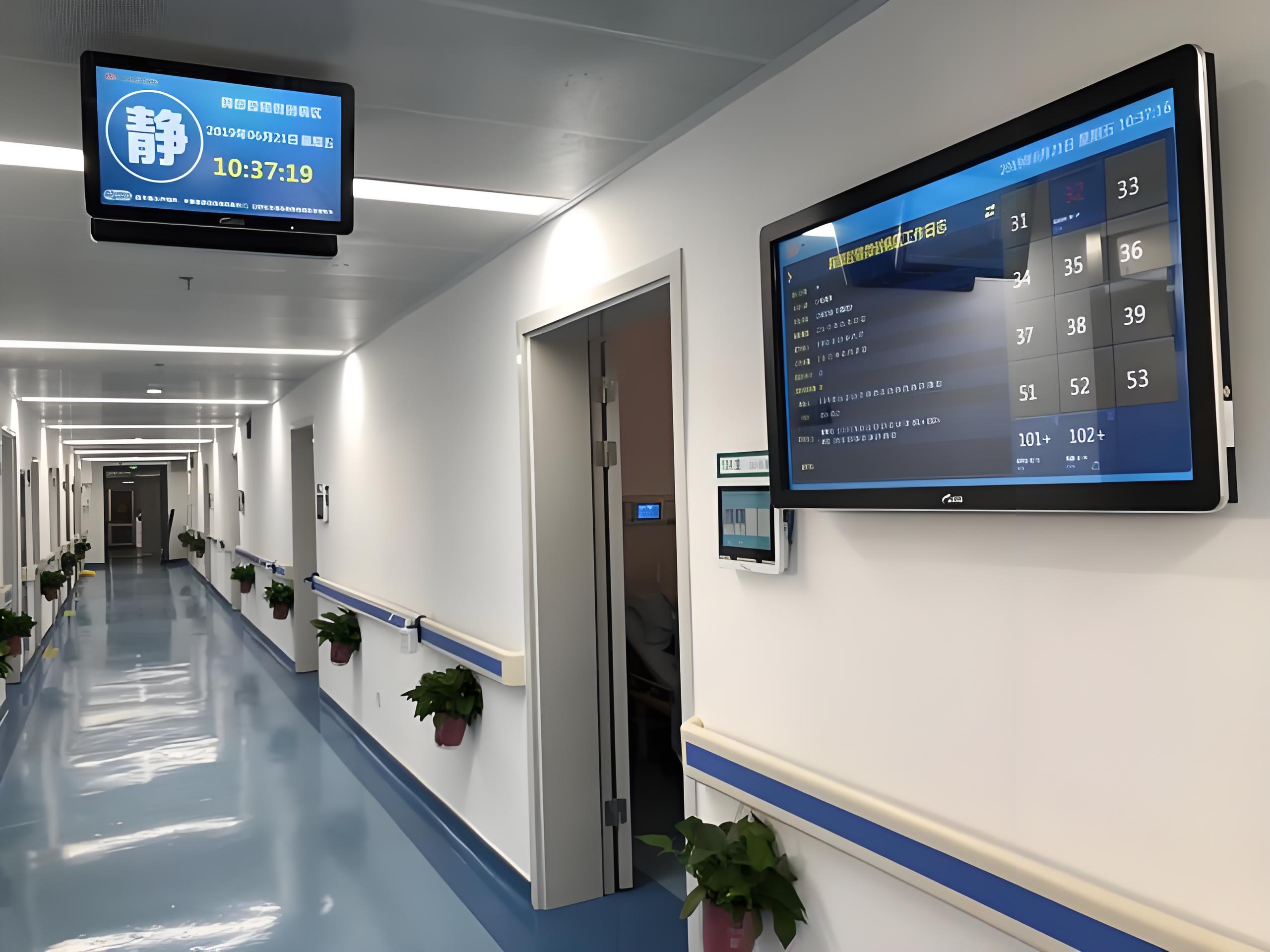
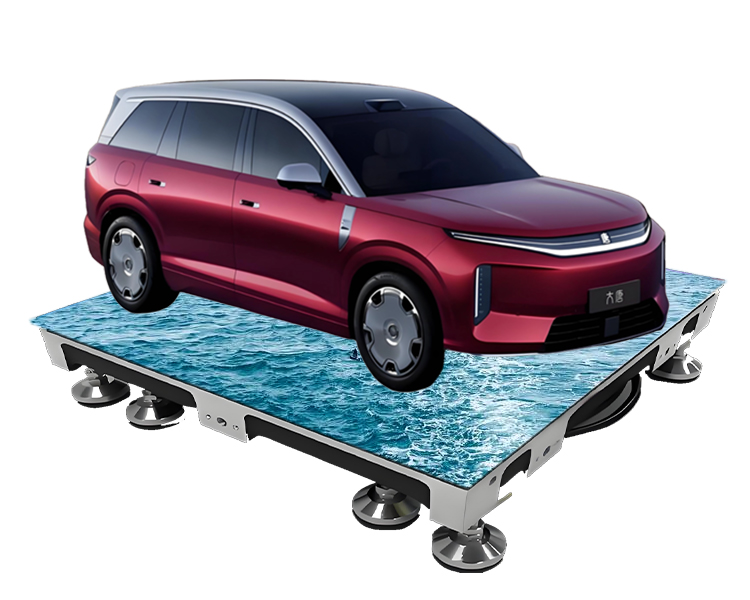
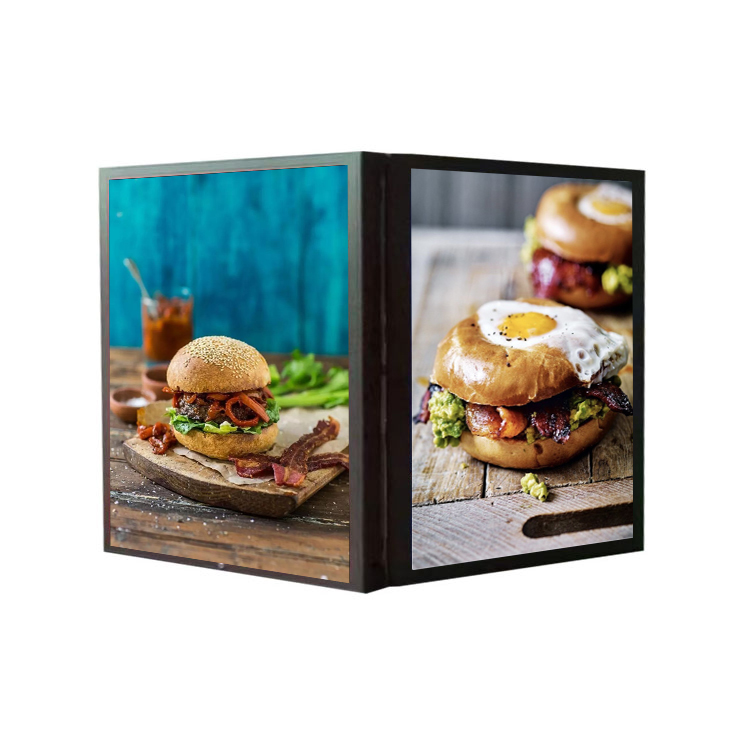
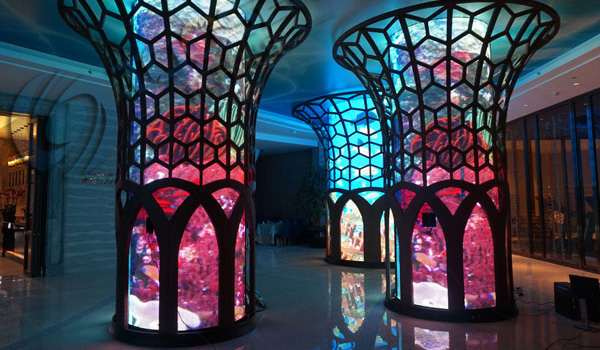
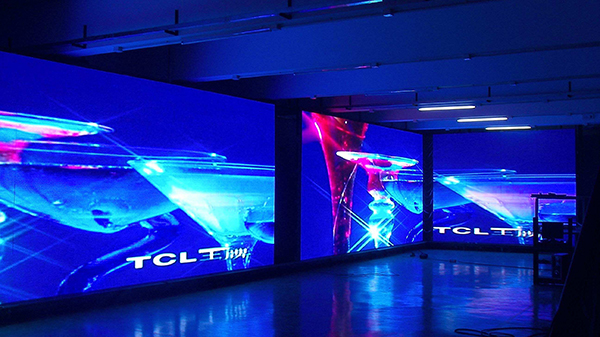
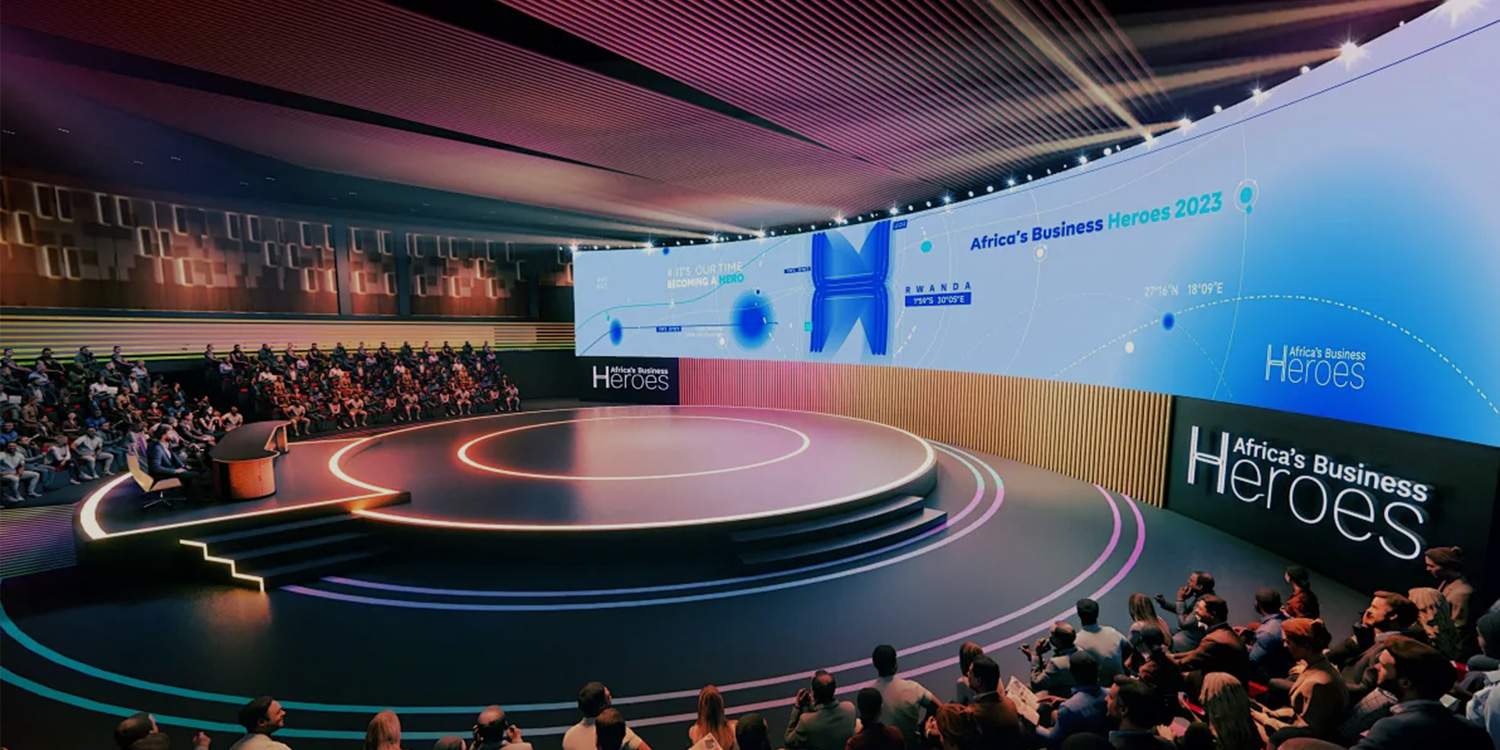
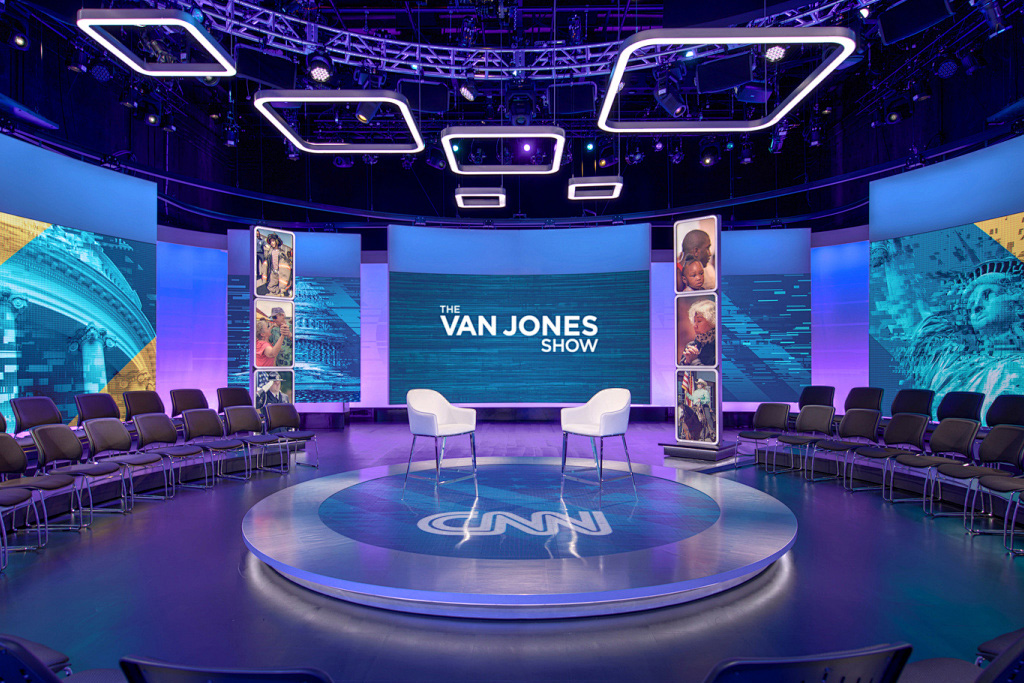
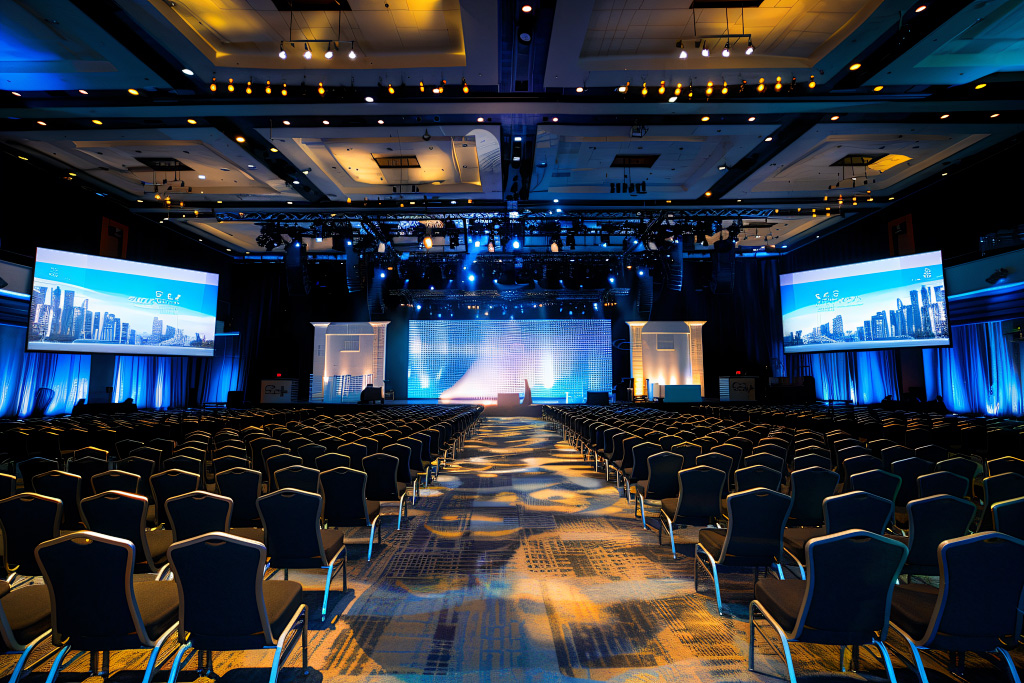
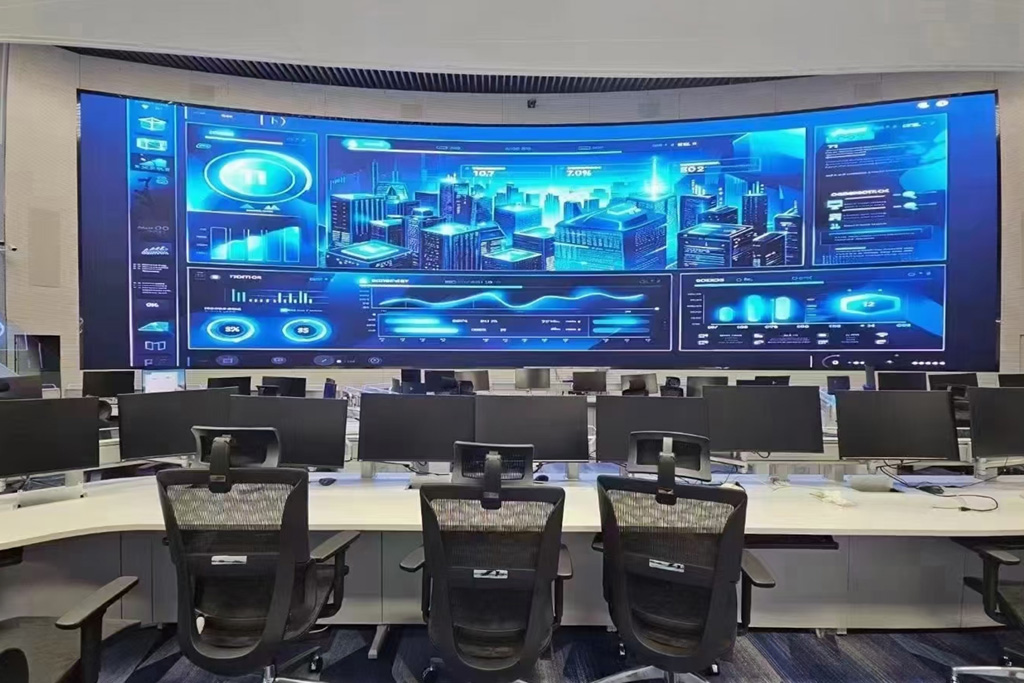
The rise in raw material costs is primarily driven by soaring prices of key materials like gold, silver, and copper, which account for over 70% of LED packaging costs. As cost pressures extend to end products, many enterprises face shrinking profit margins. However, challenges also bring new opportunities. On one hand, price increases compel the industry to move away from low-cost competition and shift toward high-value-added products. On the other hand, technological innovation has become key to breaking through. For example, LED flexible screens, with their lightweight and bendable features, see growing demand in creative displays and commercial rentals. LED indoor screens, with advantages like high definition and low energy consumption, are increasingly adopted in meetings, retail, and other scenarios.
Shenzhen Liandesen Display Co., Ltd.: Innovating to Navigate Industry Changes
In response to industry-wide price increases, Shenzhen Liandesen Display Co., Ltd. has actively adjusted its strategy, mitigating cost pressures through technological optimization and supply chain collaboration. Mr. Chen, the company’s CEO, stated, "Rising raw material costs are a challenge but also an opportunity for industry upgrading. By developing high-performance LED displays and modular LED rental screens, we control costs while enhancing product stability, delivering long-term value to customers."
Liandesen Display specializes in the R&D and manufacturing of LED displays. Its LED flexible screens and LED indoor screens feature energy-efficient designs, alleviating cost pressures by optimizing material usage. Additionally, the company has strengthened supply chain partnerships, establishing long-term relationships with upstream suppliers to better manage price fluctuations. Mr. Chen added, "We believe that only by focusing on technological innovation and customer needs can we thrive in a changing market."
Looking ahead to 2026, if raw material prices remain high, industry consolidation may accelerate. Enterprises with strong technological capabilities and robust supply chains are likely to stand out through product differentiation. For end-users, opting for reliable and energy-efficient LED solutions will be a strategic response to rising costs.

Free Installation
Training

365-Day Whole
Machine Warranty

After-Sales
Service Network

Wechat official account


 CN
CN